🇧🇷 BrazilCatalog recipe
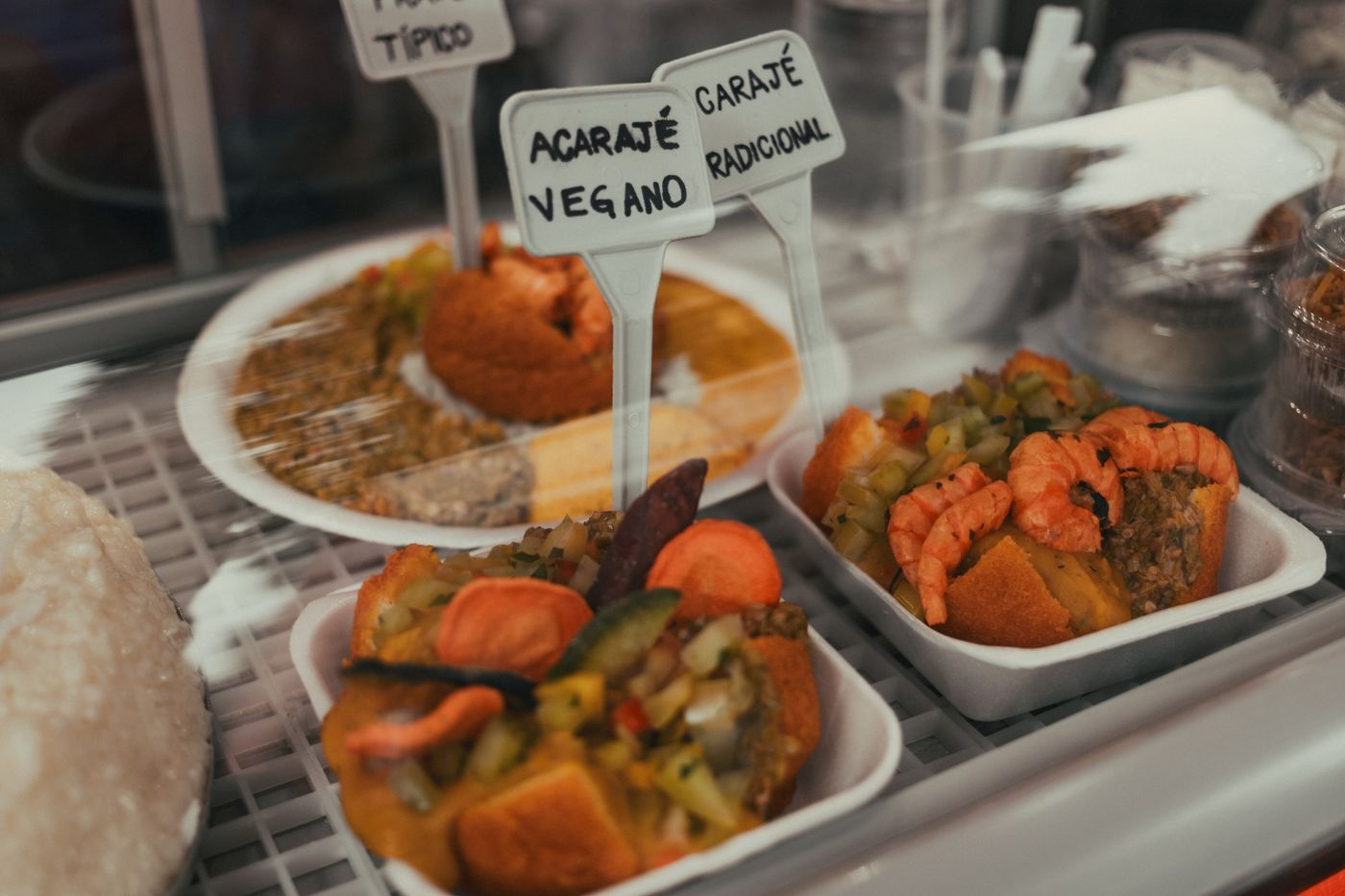
Crisp black-eyed pea fritters fried in red dendê oil, split open and stuffed with spicy vatapá-style shrimp paste — Bahia's iconic street food.
For 6 servings.
No reviews yet
Cooked this? Be the first to tell everyone how it went.
Sign in to rate and review this recipe.
Sign in to suggest corrections and improvements.
Community posts are opinions, not professional advice. Community guidelines
Buy these ingredients
Links open each store’s own site, where you see their live local prices. Our cost figures in the app are estimates only.
Videos belong to their creators and play on their platform’s terms — Cibora never re-hosts third-party video.
Soak the black-eyed peas overnight, then rub them vigorously between your hands under water so the skins float free. Drain well.
💡 Skinning the peas is the tedious, essential step — skins left on make heavy, dark fritters.
Process the peas with one roughly chopped onion, half the dried shrimp and a teaspoon of salt into a thick, fluffy batter.
Beat the batter with a spoon for 3–4 minutes to work in air — it should lighten visibly in color and texture.
💡 This beating is the leavening; lazy arms make dense acarajé.
For the filling, blend the remaining dried shrimp with the peanuts, cashews, ginger, chilies and coconut milk, then simmer 10 minutes into a thick, spoonable paste. Fold in the fresh shrimp for the last 3 minutes and finish with lime, cilantro and salt.
Heat the dendê oil to 170°C. Shape the batter between two spoons into plump ovals and fry in batches, turning once, until deep reddish-brown, about 5 minutes.
Drain, split each fritter like a pocket, and load it with the shrimp filling and a little extra chili for those who dare.
Acarajé came to Bahia with enslaved Yoruba people and remains sacred food in Candomblé, offered to the orixá Iansã. On Salvador's squares it is sold by baianas in white lace dresses, whose trade is protected as national cultural heritage; the fritter must be fried in dendê or it is not acarajé at all.
Sign in to join the discussion. Reading is open to everyone.
Nothing here yet — questions about technique, timing, and substitutions all welcome.
No suggestions yet. Spotted a wrong quantity, a missing step, or a better technique? Suggest it — accepted changes join the recipe’s version history.