🇭🇺 HungaryCatalog recipe
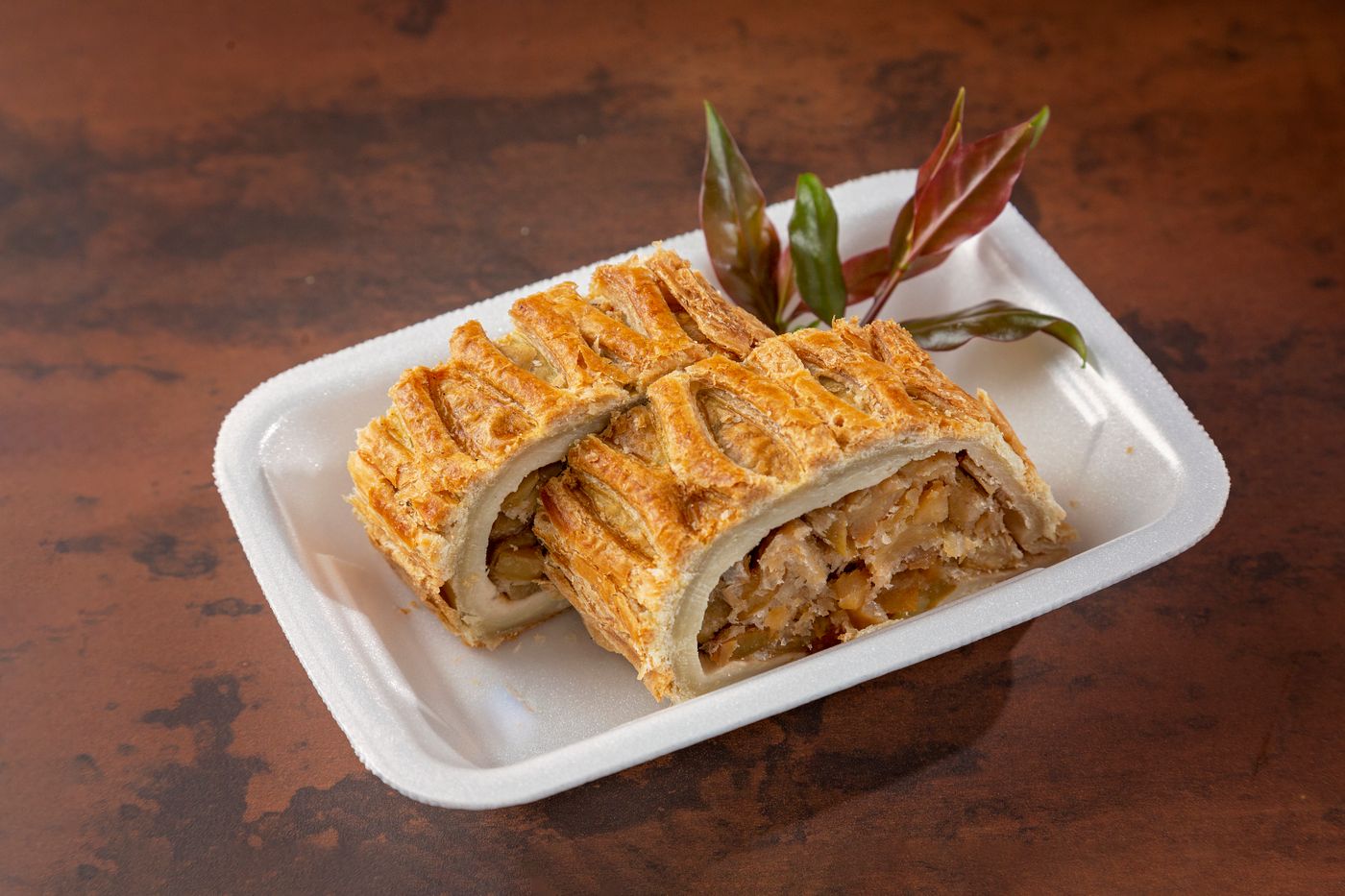
Paper-thin pastry rolled around cinnamon-sugared apples, walnuts and raisins, baked until the layers shatter into flaky, golden shards.
For 8 servings.
No reviews yet
Cooked this? Be the first to tell everyone how it went.
Sign in to rate and review this recipe.
Sign in to suggest corrections and improvements.
Community posts are opinions, not professional advice. Community guidelines
Videos belong to their creators and play on their platform’s terms — Cibora never re-hosts third-party video.
Buy these ingredients
Links open each store’s own site, where you see their live local prices. Our cost figures in the app are estimates only.
Toss the sliced apples with the sugar, cinnamon and lemon juice; let sit 10 minutes so they release some juice, then drain briefly.
💡 Draining the apples first keeps the strudel from turning soggy in the oven.
Lay out a clean cloth and stack the phyllo sheets on it, brushing each with melted butter and scattering toasted breadcrumbs between every second layer.
💡 The breadcrumbs soak up the apples' juice from underneath — don't skip them.
Spread the apple mixture, walnuts and raisins along one long edge, leaving a clear border on the sides.
Using the cloth to help, roll the pastry up into a tight log, tucking in the ends as you go.
Transfer seam-side down to a baking sheet and brush the top generously with the remaining butter.
Bake at 190°C until deeply golden and crisp, 35–40 minutes.
Cool slightly, dust with powdered sugar, and slice while still a little warm.
Rétes arrived through Ottoman-era stretched-pastry technique and became a Hungarian institution once cooks paired it with the country's orchard fruit — apple above all, though cherry, poppy seed and cottage cheese fillings are just as traditional. Vienna later popularized its own version as strudel, and both pastries still share that same technique of stretching dough by hand until it's almost transparent.
No suggestions yet. Spotted a wrong quantity, a missing step, or a better technique? Suggest it — accepted changes join the recipe’s version history.
Sign in to join the discussion. Reading is open to everyone.
Nothing here yet — questions about technique, timing, and substitutions all welcome.