πΈπ¬ SingaporeCatalog recipe
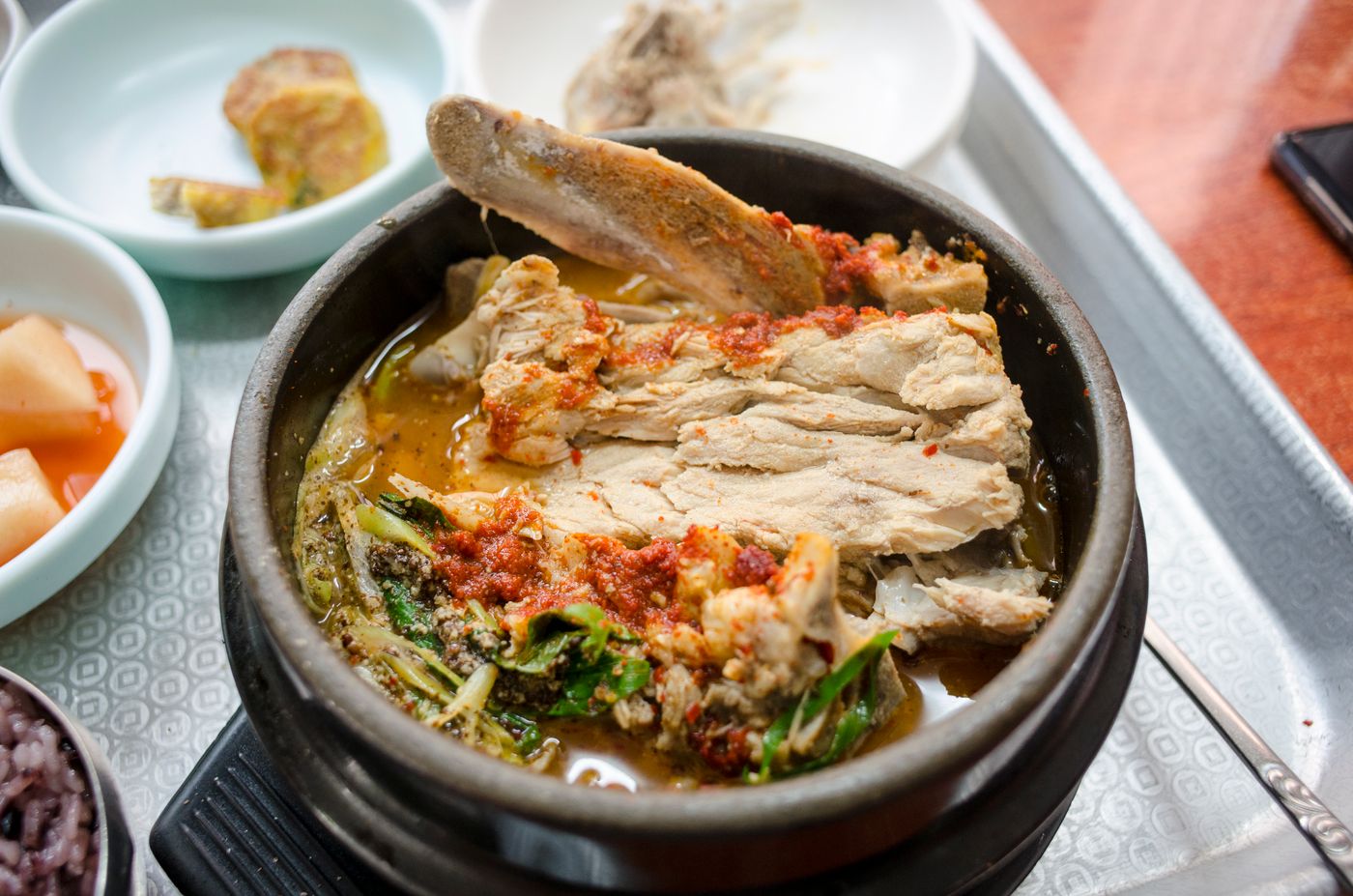
Pork ribs simmered for hours in a clear, throat-warming broth thick with cracked white pepper and whole garlic β ladled at breakfast with rice and a side of soy-splashed chilies.
For 4 servings.
No reviews yet
Cooked this? Be the first to tell everyone how it went.
Sign in to rate and review this recipe.
Sign in to suggest corrections and improvements.
Community posts are opinions, not professional advice. Community guidelines
Videos belong to their creators and play on their platformβs terms β Cibora never re-hosts third-party video.
Buy these ingredients
Links open each storeβs own site, where you see their live local prices. Our cost figures in the app are estimates only.
Blanch the pork ribs in boiling water for 3 minutes to purge scum, then drain and rinse them clean.
Toast the peppercorns in a dry pot until fragrant, then crack them coarsely with the back of a knife or a mortar.
Return the ribs to the pot with the garlic, cracked pepper and enough water to cover generously, about 2 liters; bring to a boil, then drop to the gentlest simmer.
Simmer uncovered, skimming occasionally, until the meat pulls easily from the bone, 75β90 minutes.
π‘ Low and slow is the entire method here β a hard boil clouds the broth and squeezes the meat dry.
Season with the light and dark soy sauces in the last 10 minutes of cooking, tasting as you go.
Ladle the broth and ribs into bowls and serve with steamed rice, sliced chilies in a little extra soy, and cilantro.
Teochew labourers working Singapore's docks are usually credited with the dish's start, its name literally meaning 'meat bone tea' for the strong pot of tea traditionally drunk alongside to cut the fat. The Singapore style stays clear and heavily peppered, unlike the darker, herbal version associated with Klang across the causeway. Coffee shops around Rangoon Road and Balestier still serve it from before dawn to workers heading to early shifts.
No suggestions yet. Spotted a wrong quantity, a missing step, or a better technique? Suggest it β accepted changes join the recipeβs version history.
Sign in to join the discussion. Reading is open to everyone.
Nothing here yet β questions about technique, timing, and substitutions all welcome.