🇵🇹 PortugalCatalog recipe · Minho
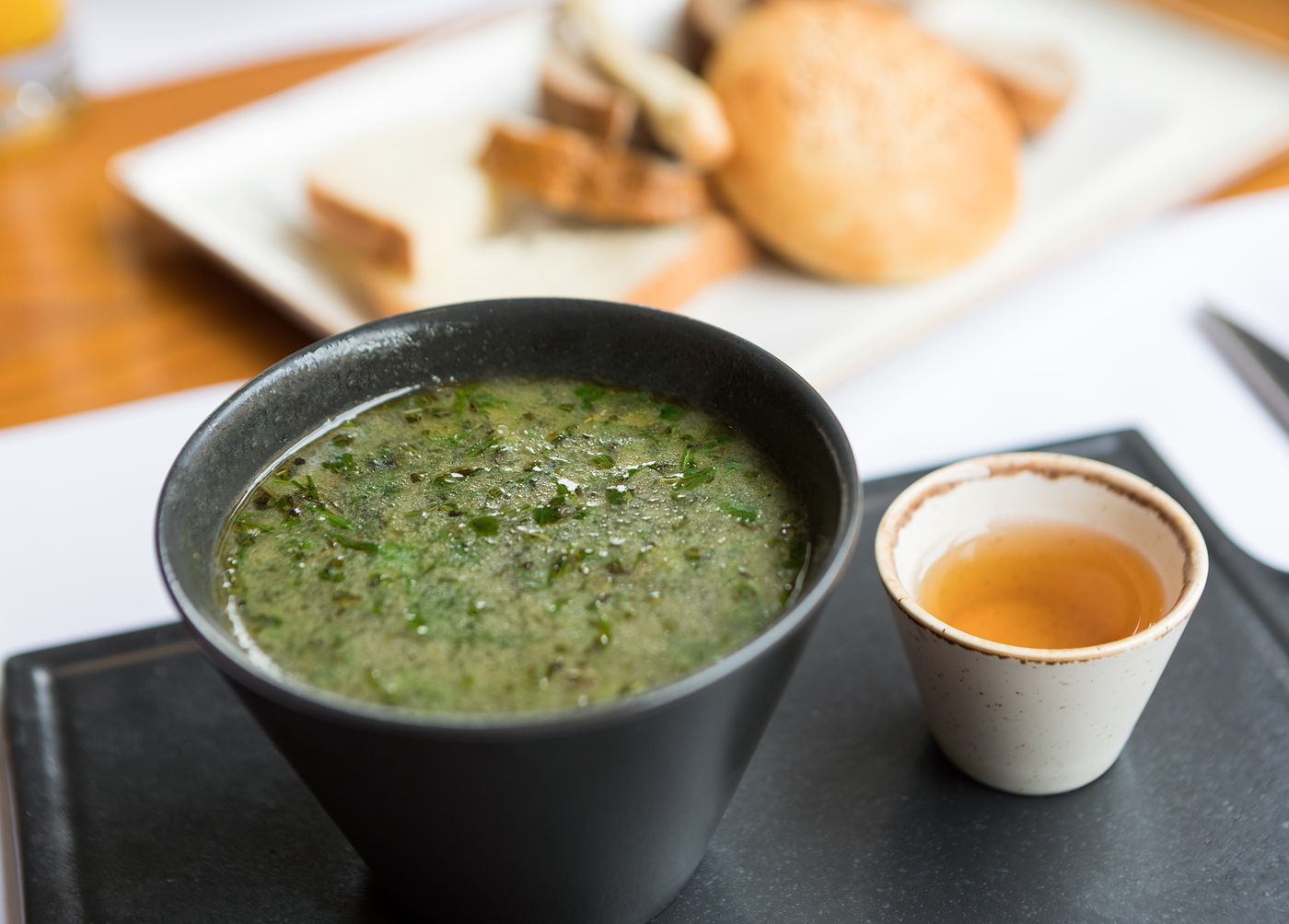
Blended-silky potato broth threaded with hair-thin collard greens and coins of seared chouriço — Portugal's midnight soup and its national comfort.
How hard is it
A straightforward cook.
One moment where you are juggling two things at once. Searing needs a properly hot pan.
For 4 servings.
No reviews yet
Cooked this? Be the first to tell everyone how it went.
Sign in to rate and review this recipe.
Sign in to suggest corrections and improvements.
Community posts are opinions, not professional advice. Community guidelines
Videos belong to their creators and play on their platform’s terms — Cibora never re-hosts third-party video.
Buy these ingredients
Links open each store’s own site, where you see their live local prices. Our cost figures in the app are estimates only.
Peel and chop the potatoes; place in a pot with the onion and garlic, cover with water, and bring to a boil. Reduce to a simmer until the potatoes collapse when pressed with a spoon, about 20 minutes.
Blend the pot silky smooth — directly with an immersion blender, or in batches in a stand blender — until no lumps remain.
💡 Blend while it's still hot for the silkiest texture; let it cool slightly first if using a stand blender, to avoid pressure blowouts.
Return the soup to a simmer, add the collard filaments, and boil exactly 3 minutes — vivid green, not army-green.
💡 Slice the greens thinner than seems sane; ribbons are for other soups.
Meanwhile, sear the chouriço coins in a dry pan over medium heat until they curl slightly and release their red paprika oil, about 3 minutes.
Stir the seared chouriço and its paprika oil into the soup.
Ladle into bowls and finish each with a thread of raw olive oil; caldo verde is eaten hot, straight away.
From the Minho north, caldo verde ends weddings, festivals and long nights. The kale is sliced to filament thinness — machines exist for exactly this in Portuguese markets.
No suggestions yet. Spotted a wrong quantity, a missing step, or a better technique? Suggest it — accepted changes join the recipe’s version history.
Sign in to join the discussion. Reading is open to everyone.
Nothing here yet — questions about technique, timing, and substitutions all welcome.