🇲🇦 MoroccoCatalog recipe
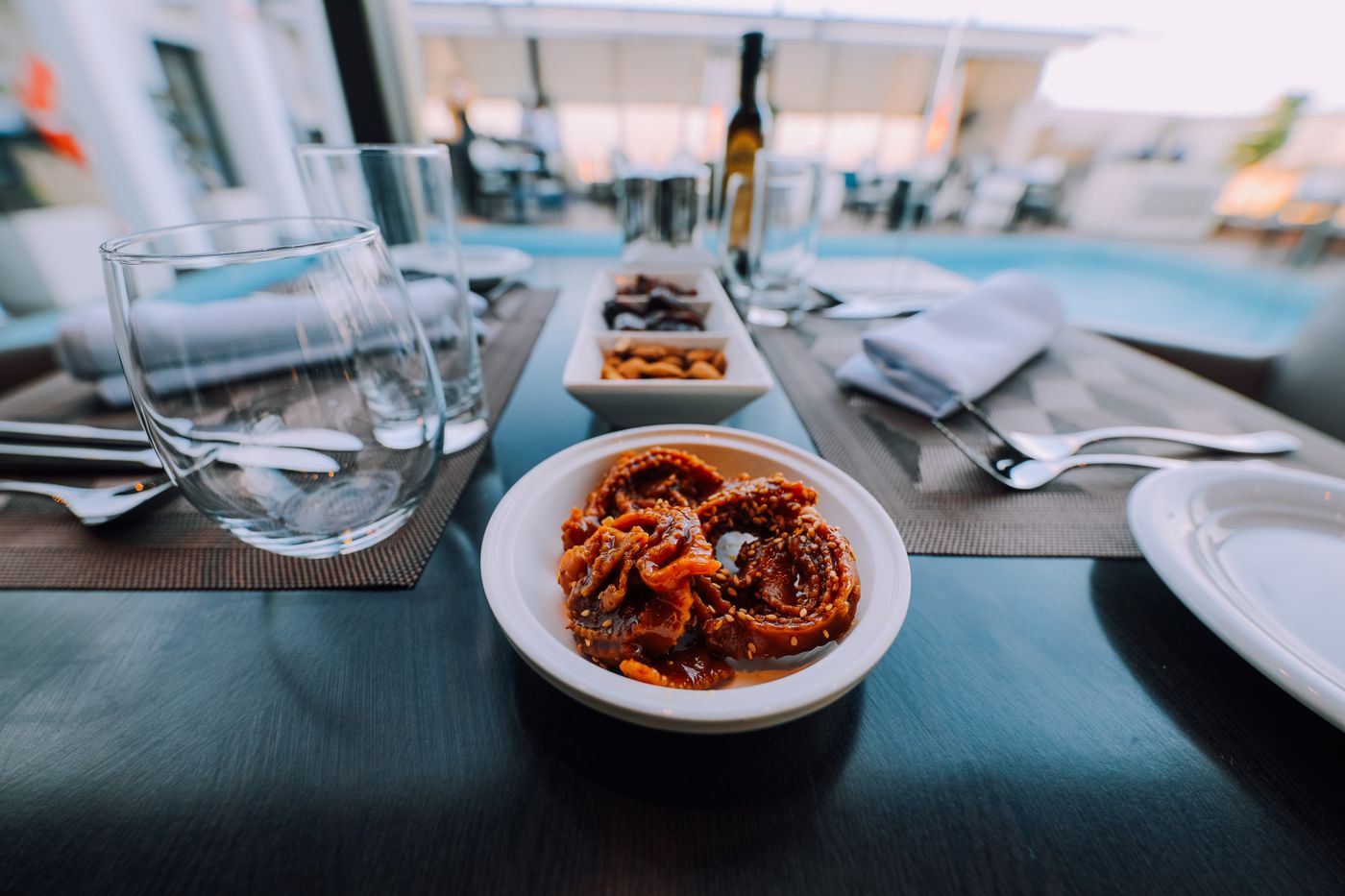
Flower-shaped ribbons of anise-sesame dough, fried and plunged into orange-blossom honey until lacquered.
How hard is it
Nothing to juggle — one thing at a time.
Kneading dough by hand.
For 12 servings.
No reviews yet
Cooked this? Be the first to tell everyone how it went.
Sign in to rate and review this recipe.
Sign in to suggest corrections and improvements.
Community posts are opinions, not professional advice. Community guidelines
Videos belong to their creators and play on their platform’s terms — Cibora never re-hosts third-party video.
Buy these ingredients
Links open each store’s own site, where you see their live local prices. Our cost figures in the app are estimates only.
Grind half the toasted sesame seeds finely, then work them into the flour with the anise, cinnamon, salt, yeast, olive oil, melted butter, egg, saffron water and orange blossom water, adding water spoon by spoon until a firm, pliable dough forms.
Knead 10 minutes until smooth, then rest the dough, covered, for 20 minutes.
Roll a portion out to 2 mm and cut rectangles scored with four parallel slits; thread alternate strips over your finger and pinch to form a loose rose.
💡 Keep the folds loose — tight roses fry doughy in the middle.
Warm the honey with a splash of orange blossom water in a wide pan until liquid; keep it just warm, not boiling.
Fry the roses in 170°C oil in batches until deep amber, 4–5 minutes, turning once.
Transfer them straight from the oil into the warm honey and let them drink it in for 3–4 minutes.
💡 Hot pastry into warm honey — that temperature meeting is what makes them lacquered, not sticky.
Lift out, scatter with the remaining whole sesame seeds and cool on a rack. They keep for weeks in a tin.
Chebakia appear in Moroccan homes by the tray-load before Ramadan, when families gather to fold hundreds of the intricate roses in a single afternoon. Paired with harira at sunset, the syrup-soaked cookies restore energy after a day of fasting — one of the great sweet-savory rituals of the year.
No suggestions yet. Spotted a wrong quantity, a missing step, or a better technique? Suggest it — accepted changes join the recipe’s version history.
Sign in to join the discussion. Reading is open to everyone.
Nothing here yet — questions about technique, timing, and substitutions all welcome.