π¨π³ ChinaCatalog recipe
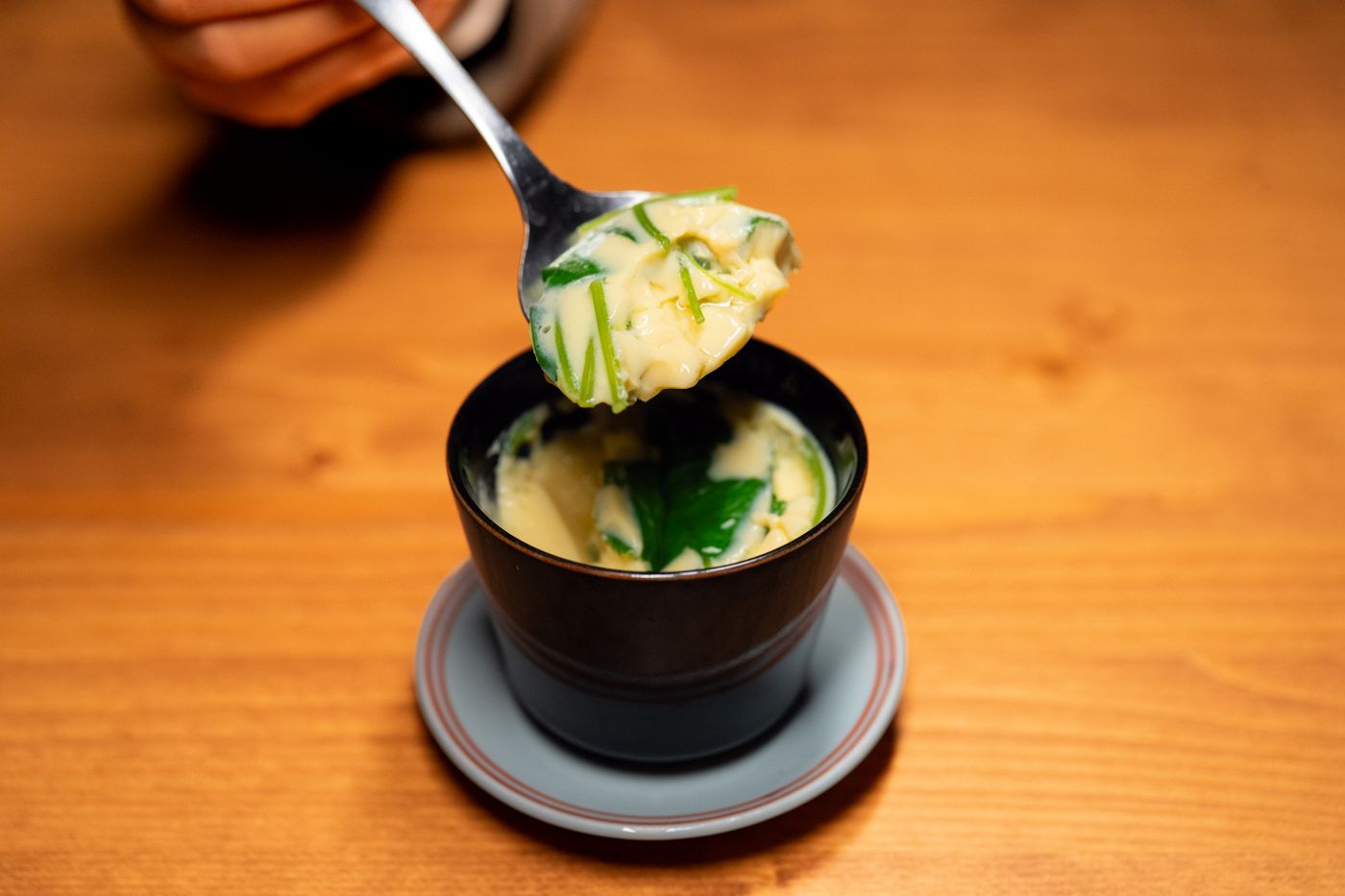
Eggs whisked smooth with warm stock and steamed until they set into a trembling, silken custard, finished with soy sauce and a thread of sesame oil.
For 3 servings.
No reviews yet
Cooked this? Be the first to tell everyone how it went.
Sign in to rate and review this recipe.
Sign in to suggest corrections and improvements.
Community posts are opinions, not professional advice. Community guidelines
Videos belong to their creators and play on their platformβs terms β Cibora never re-hosts third-party video.
Buy these ingredients
Links open each storeβs own site, where you see their live local prices. Our cost figures in the app are estimates only.
Beat the eggs gently in a bowl without whipping in air bubbles.
Whisk in the warm stock and salt, then strain the mixture through a fine sieve into a heatproof bowl to remove any bubbles and stringy bits.
π‘ Straining is the difference between a glassy custard and a pitted one β don't skip it.
Cover the bowl tightly with foil or a plate.
Set the bowl in a steamer over gently simmering β not boiling β water and steam 12β14 minutes until just set with a slight wobble in the center.
π‘ A hard boil punches air bubbles straight through the custard β keep the water at a bare simmer.
Lift the bowl out carefully and drizzle the surface with soy sauce and sesame oil.
Scatter with spring onion and serve immediately, straight from the steaming bowl.
Steamed egg custard is one of the first dishes Chinese children are taught to cook, since it needs almost no technique beyond patience with the heat. Straining the beaten eggs and covering the bowl while it steams are what keep the surface glassy instead of pitted with air holes, a texture judged closely by anyone who grew up eating it. It shows up as a side at family dinners and, thinned further, as food for the very young or the unwell.
No suggestions yet. Spotted a wrong quantity, a missing step, or a better technique? Suggest it β accepted changes join the recipeβs version history.
Sign in to join the discussion. Reading is open to everyone.
Nothing here yet β questions about technique, timing, and substitutions all welcome.