π―π΅ JapanCatalog recipe
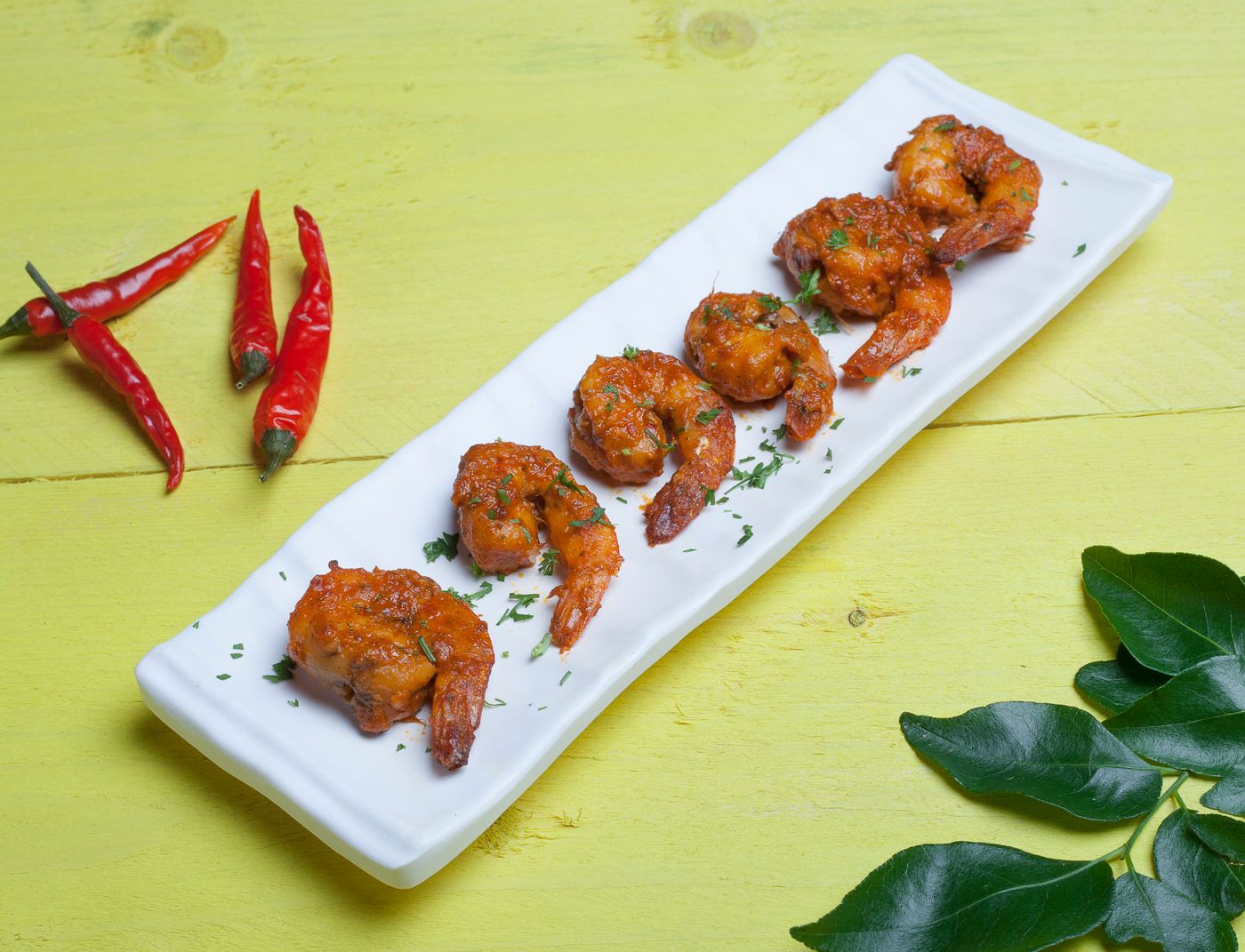
Plump shrimp seared quick and tossed through a sweet-spicy ketchup-chili sauce, silkened with a thread of egg stirred in at the last second.
For 4 servings.
No reviews yet
Cooked this? Be the first to tell everyone how it went.
Sign in to rate and review this recipe.
Sign in to suggest corrections and improvements.
Community posts are opinions, not professional advice. Community guidelines
Videos belong to their creators and play on their platformβs terms β Cibora never re-hosts third-party video.
Buy these ingredients
Links open each storeβs own site, where you see their live local prices. Our cost figures in the app are estimates only.
Pat the shrimp dry and toss lightly with a pinch of salt.
Whisk the ketchup, chili flake, sugar, soy sauce and dashi stock together to make the sauce.
Heat half the oil in a wok or large skillet over high heat and sear the shrimp 60β90 seconds per side until just pink and curled; remove to a plate.
Add the remaining oil, then the garlic, ginger and white spring onion, and stir-fry 30 seconds until fragrant.
Pour in the sauce and bring to a simmer, then stir in the cornstarch slurry and cook until glossy and thickened, about 1 minute.
Return the shrimp to the pan and toss to coat, then drizzle in the beaten egg in a thin stream, stirring once or twice so it sets into soft ribbons.
π‘ Pour the egg in slowly and stir minimally β stirring hard breaks it into fine curds instead of silky ribbons.
Scatter with the green spring onion and serve immediately over rice.
Ebi chili was created in Tokyo in the late 1950s by a Sichuan-trained chef who mellowed the fiery original into something sweeter and milder for Japanese palates, building the sauce from ketchup and stock rather than straight chili oil. It became one of the defining dishes of Japan's home-style Chinese cooking and a fixture on family restaurant menus nationwide.
No suggestions yet. Spotted a wrong quantity, a missing step, or a better technique? Suggest it β accepted changes join the recipeβs version history.
Sign in to join the discussion. Reading is open to everyone.
Nothing here yet β questions about technique, timing, and substitutions all welcome.