🇸🇾 SyriaCatalog recipe · Damascus
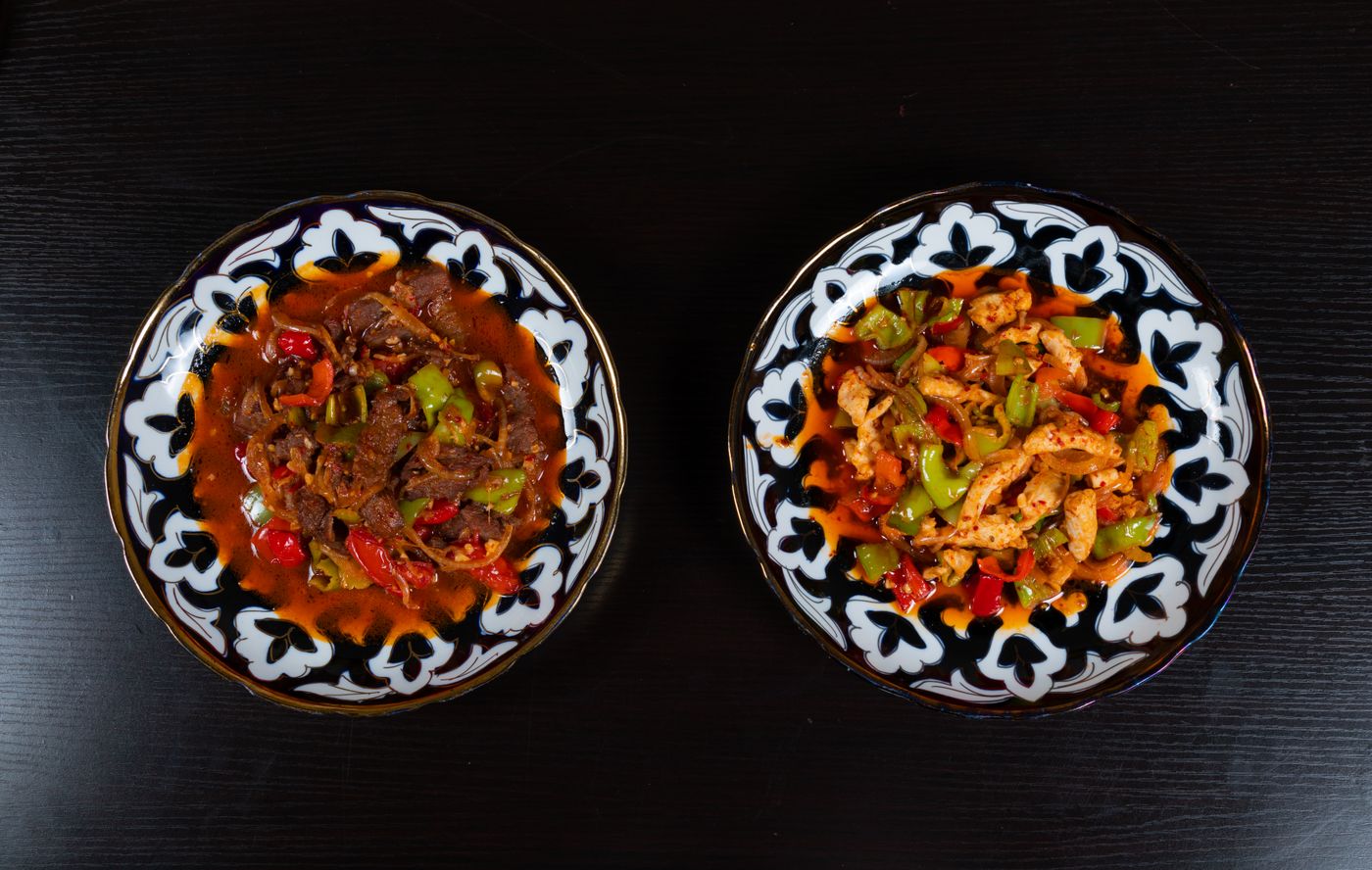
Lentils and pasta in tamarind-pomegranate sauce with crisp onions, fried bread and fresh herbs — Damascus's sweet-sour marvel.
How hard is it
A straightforward cook.
One moment where you are juggling two things at once.
For 4 servings.
No reviews yet
Cooked this? Be the first to tell everyone how it went.
Sign in to rate and review this recipe.
Sign in to suggest corrections and improvements.
Community posts are opinions, not professional advice. Community guidelines
Videos belong to their creators and play on their platform’s terms — Cibora never re-hosts third-party video.
Buy these ingredients
Links open each store’s own site, where you see their live local prices. Our cost figures in the app are estimates only.
Bring a pot of salted water to a boil and cook the lentils until nearly tender, about 15 minutes.
Add the macaroni to the same pot and cook until both lentils and pasta are tender, about 10 minutes more; drain, reserving a splash of the cooking water.
Meanwhile, fry the sliced onions in a pan, stirring, until crisp and deeply golden; lift out and set aside.
💡 Pull them the moment they turn deep gold — they keep darkening off the heat and burn fast past that point.
In the same pan, fry the cubed pita until golden and crisp; set aside with the onions.
Fry the garlic and most of the cilantro briefly until fragrant, then stir in the pomegranate molasses and tamarind paste.
Fold the lentils and macaroni into the garlic-tamarind mixture, adding a splash of the reserved cooking water if it looks dry, until everything is well coated.
💡 The sauce should taste boldly sweet-sour on its own — the lentils will mute it by half.
Serve topped with the crisp onions, fried pita and pomegranate seeds, with the remaining cilantro scattered over — the crunch is half the dish.
The name means 'he burned his finger' — allegedly from diners unable to wait. It is mujaddara's flamboyant cousin: same thrift, triple the drama.
No suggestions yet. Spotted a wrong quantity, a missing step, or a better technique? Suggest it — accepted changes join the recipe’s version history.
Sign in to join the discussion. Reading is open to everyone.
Nothing here yet — questions about technique, timing, and substitutions all welcome.