π―π΅ JapanCatalog recipe
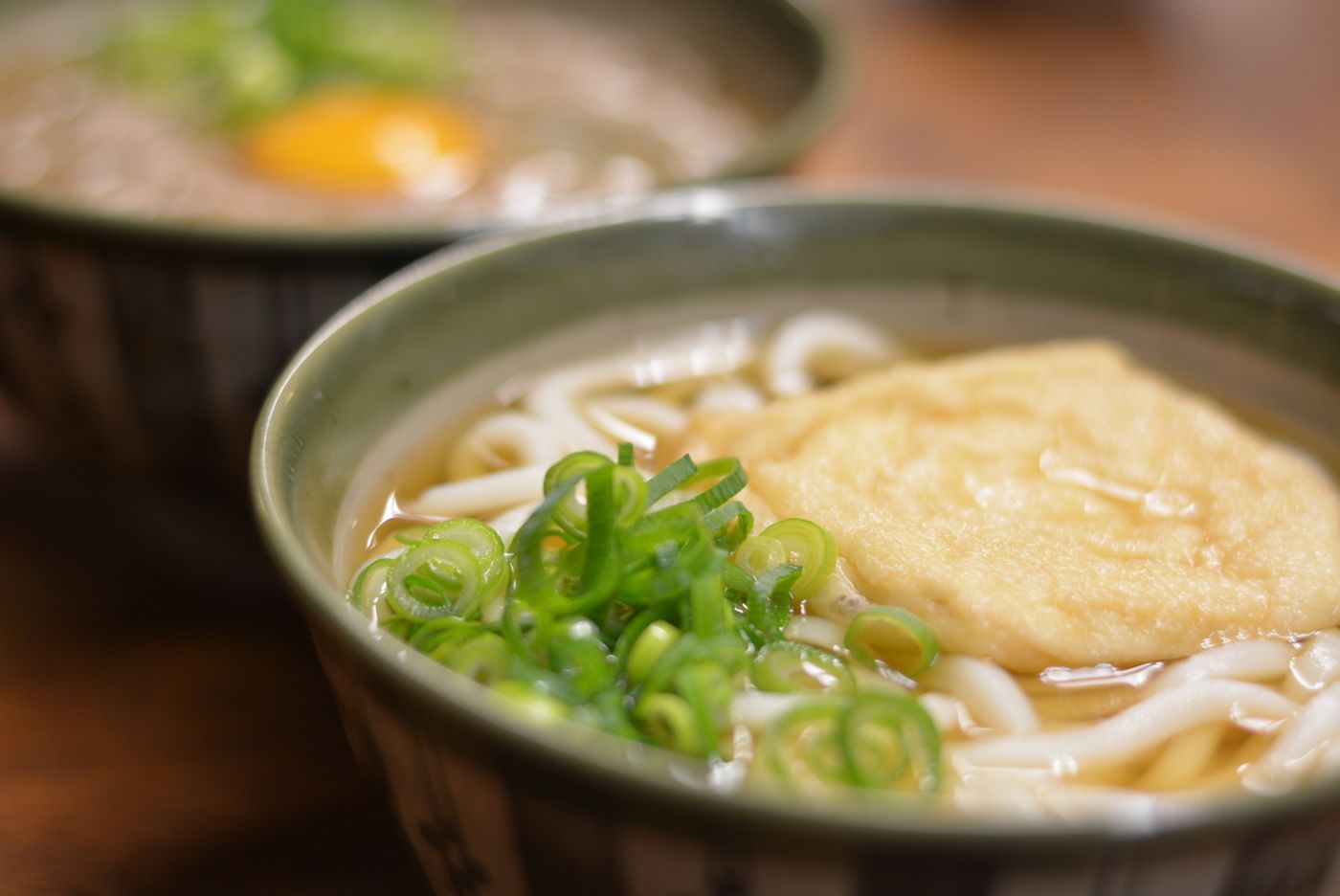
Thick, chewy udon noodles bathed in a clear soy-dashi broth, topped with a soft-poached egg and spring onion β the noodle bowl of a rushed Japanese lunch counter.
For 4 servings.
No reviews yet
Cooked this? Be the first to tell everyone how it went.
Sign in to rate and review this recipe.
Sign in to suggest corrections and improvements.
Community posts are opinions, not professional advice. Community guidelines
Videos belong to their creators and play on their platformβs terms β Cibora never re-hosts third-party video.
Buy these ingredients
Links open each storeβs own site, where you see their live local prices. Our cost figures in the app are estimates only.
Bring the dashi to a simmer in a large pot and stir in the soy sauce and mirin; taste β it should be clean, savory and faintly sweet.
In a separate pot of barely simmering water, poach the eggs gently for 3 minutes until the whites are set and the yolks still run.
π‘ A gentle swirl of the water before the eggs go in helps the whites wrap neatly around the yolk.
Blanch the spinach in boiling water for 30 seconds, then drain and squeeze lightly.
Cook the udon according to the package β often just 1β2 minutes for fresh or frozen β then drain and divide among deep bowls.
Ladle the hot broth generously over the noodles.
Top each bowl with a poached egg, a nest of spinach and a scatter of spring onion; serve while the broth still steams.
Kake udon β 'poured' udon β is the plainest and oldest form of the noodle: broth ladled straight over noodles with little more than a garnish. Broth style splits sharply at the old Kansai-Kanto divide, pale and delicate in Osaka against darker and saltier in Tokyo. Its speed and low cost made it the default lunch of station platforms, offices and students nationwide.
No suggestions yet. Spotted a wrong quantity, a missing step, or a better technique? Suggest it β accepted changes join the recipeβs version history.
Sign in to join the discussion. Reading is open to everyone.
Nothing here yet β questions about technique, timing, and substitutions all welcome.