π΅π± PolandCatalog recipe
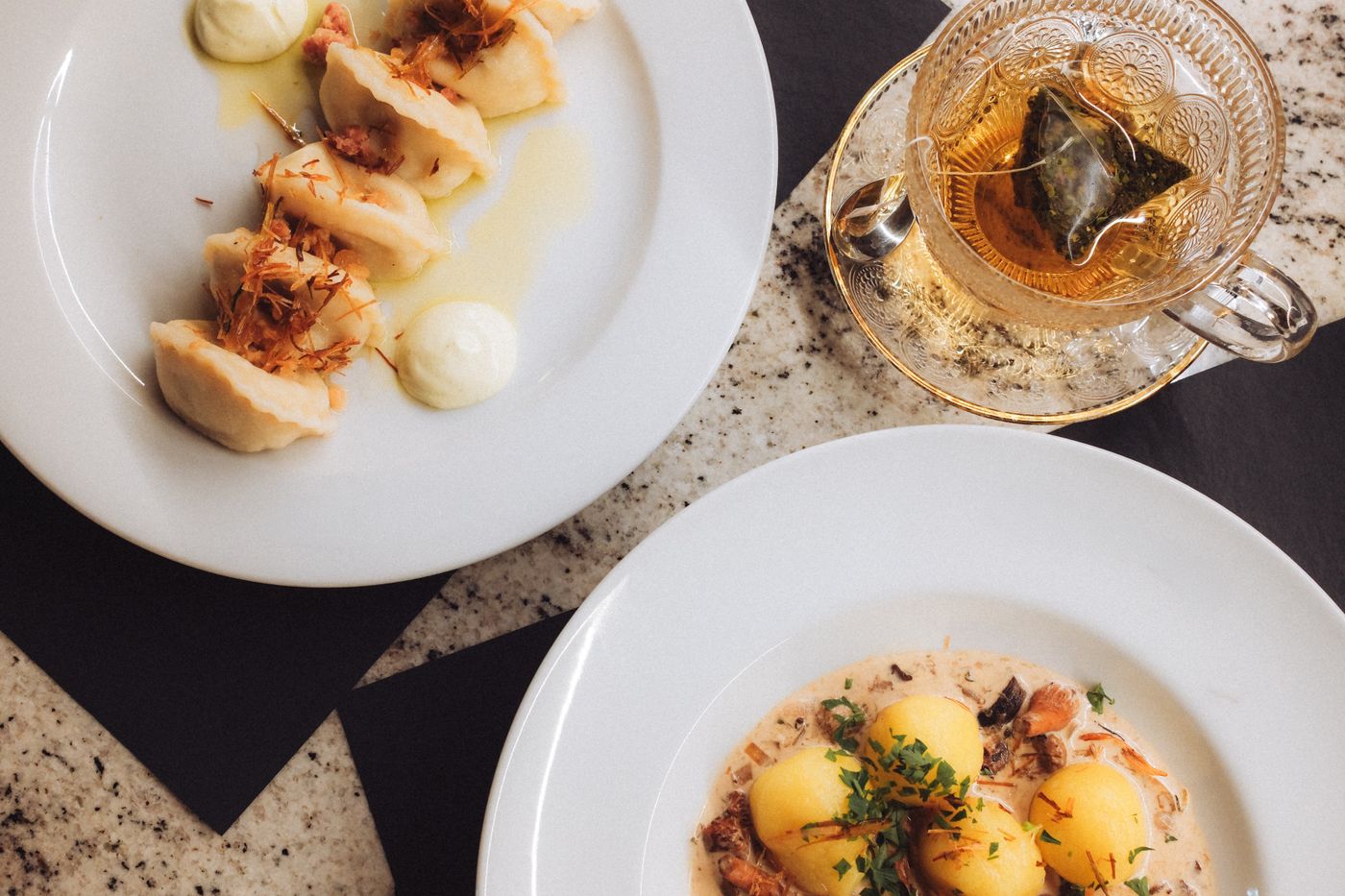
Soft potato-and-flour dumplings, pinched into little hoof shapes, boiled until they float and finished in browned butter and crisp breadcrumbs β the everyday dumpling for a night with no time to fold pierogi.
For 4 servings.
No reviews yet
Cooked this? Be the first to tell everyone how it went.
Sign in to rate and review this recipe.
Sign in to suggest corrections and improvements.
Community posts are opinions, not professional advice. Community guidelines
Videos belong to their creators and play on their platformβs terms β Cibora never re-hosts third-party video.
Buy these ingredients
Links open each storeβs own site, where you see their live local prices. Our cost figures in the app are estimates only.
Boil the potatoes whole in salted water until fully tender, about 20 minutes; drain and let them steam-dry briefly.
π‘ Wet potatoes need more flour to hold together, which makes heavier dumplings β let the steam escape first.
Mash or rice the potatoes while still warm and let them cool to just warm.
Work in the egg, flour and salt until a soft, slightly sticky dough forms; do not overwork it.
π‘ Kneading kopytka dough too long makes it tough β stop as soon as it holds together.
Divide the dough into 4 pieces and roll each into a log about 2 cm thick; cut on the diagonal into 3 cm pieces to form the classic hoof shape.
Drop the dumplings in batches into a large pot of gently boiling salted water; they're done about 2 minutes after they float to the surface.
Lift out with a slotted spoon and drain well.
Melt the butter in a pan, add the breadcrumbs and toast until golden, then toss with the warm dumplings and black pepper before serving.
Kopytka take their name β 'little hooves' β from the shape a knife leaves when the dough log is cut on the diagonal. Simpler and faster than pierogi, they are Poland's answer to gnocchi, made from the same mashed-potato-and-flour dough but shaped in minutes rather than pinched one at a time.
No suggestions yet. Spotted a wrong quantity, a missing step, or a better technique? Suggest it β accepted changes join the recipeβs version history.
Sign in to join the discussion. Reading is open to everyone.
Nothing here yet β questions about technique, timing, and substitutions all welcome.