π³π΄ NorwayCatalog recipe
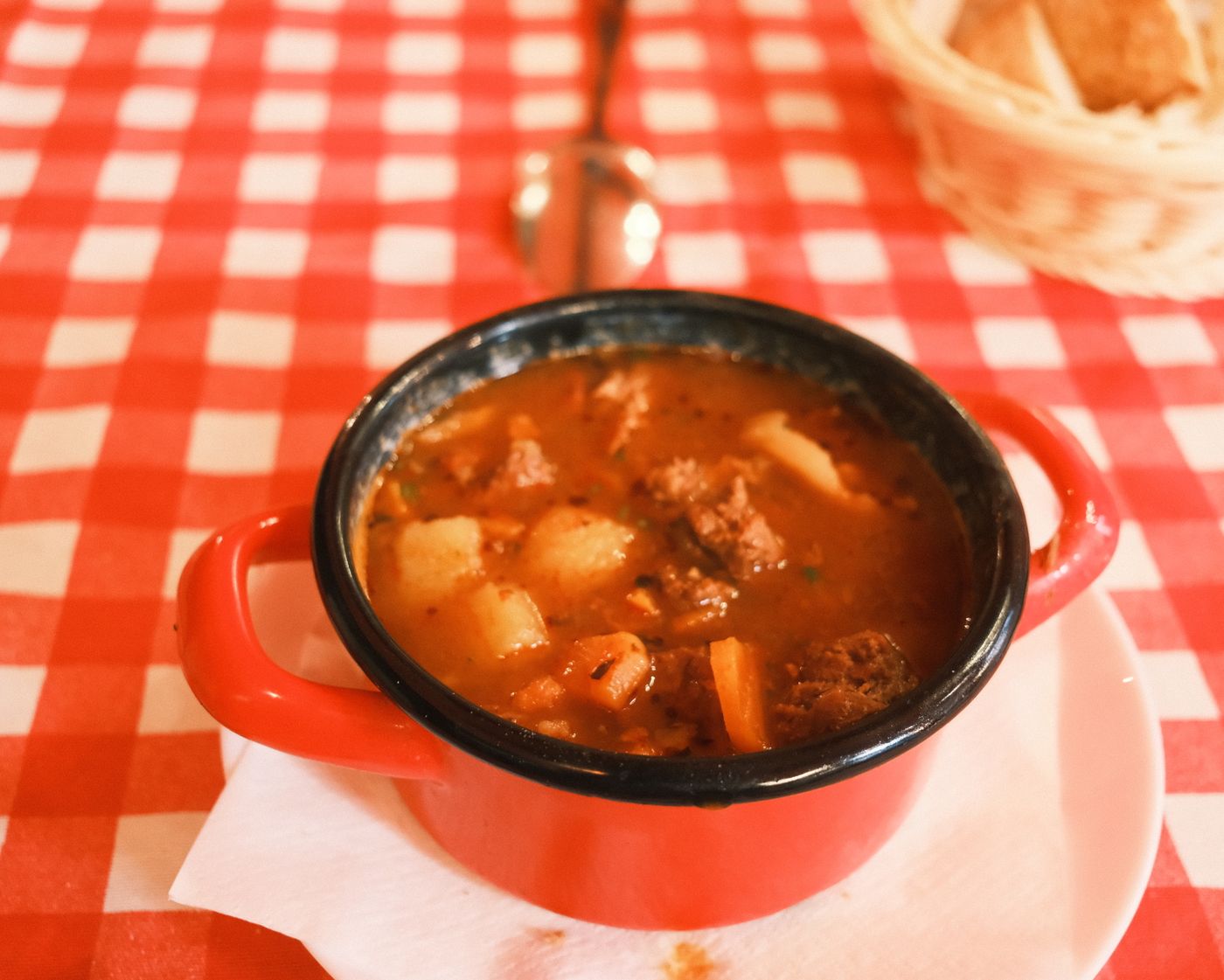
Beef, potato, carrot and leek simmered slow in one pot until the potatoes start to break down and thicken the broth around the meat.
For 4 servings.
No reviews yet
Cooked this? Be the first to tell everyone how it went.
Sign in to rate and review this recipe.
Sign in to suggest corrections and improvements.
Community posts are opinions, not professional advice. Community guidelines
Videos belong to their creators and play on their platformβs terms β Cibora never re-hosts third-party video.
Buy these ingredients
Links open each storeβs own site, where you see their live local prices. Our cost figures in the app are estimates only.
Brown the beef chunks in a little oil in a large pot, in batches so they sear rather than steam; set aside.
Soften the onion in the same pot, scraping up the browned bits from the bottom.
Return the beef to the pot with the beef stock and bay leaves; bring to a simmer, cover, and cook until the meat is fork-tender, about 45 minutes.
Add the potato, carrot, turnip and leek; simmer uncovered until the vegetables are soft and some of the potato has broken down into the broth, about 20 minutes.
π‘ Let a few potato pieces fall apart on purpose β that's what gives lapskaus its body without needing flour.
Season to taste; the stew should be thick enough to hold a spoon upright but still spoonable.
Ladle into bowls, scatter with parsley, and serve with flatbread or crispbread.
Lapskaus began as a way to use leftover meat and root vegetables together in one pot, a practical dish common in working coastal households. It shares its name and roots with similar sailors' stews such as German Labskaus and English scouse, all tracing back to old North Sea shipping routes. Bergen in particular claims a strong lapskaus identity, with a lighter-colored version distinguishing it from darker stews found elsewhere in the country.
No suggestions yet. Spotted a wrong quantity, a missing step, or a better technique? Suggest it β accepted changes join the recipeβs version history.
Sign in to join the discussion. Reading is open to everyone.
Nothing here yet β questions about technique, timing, and substitutions all welcome.