🇨🇺 CubaCatalog recipe
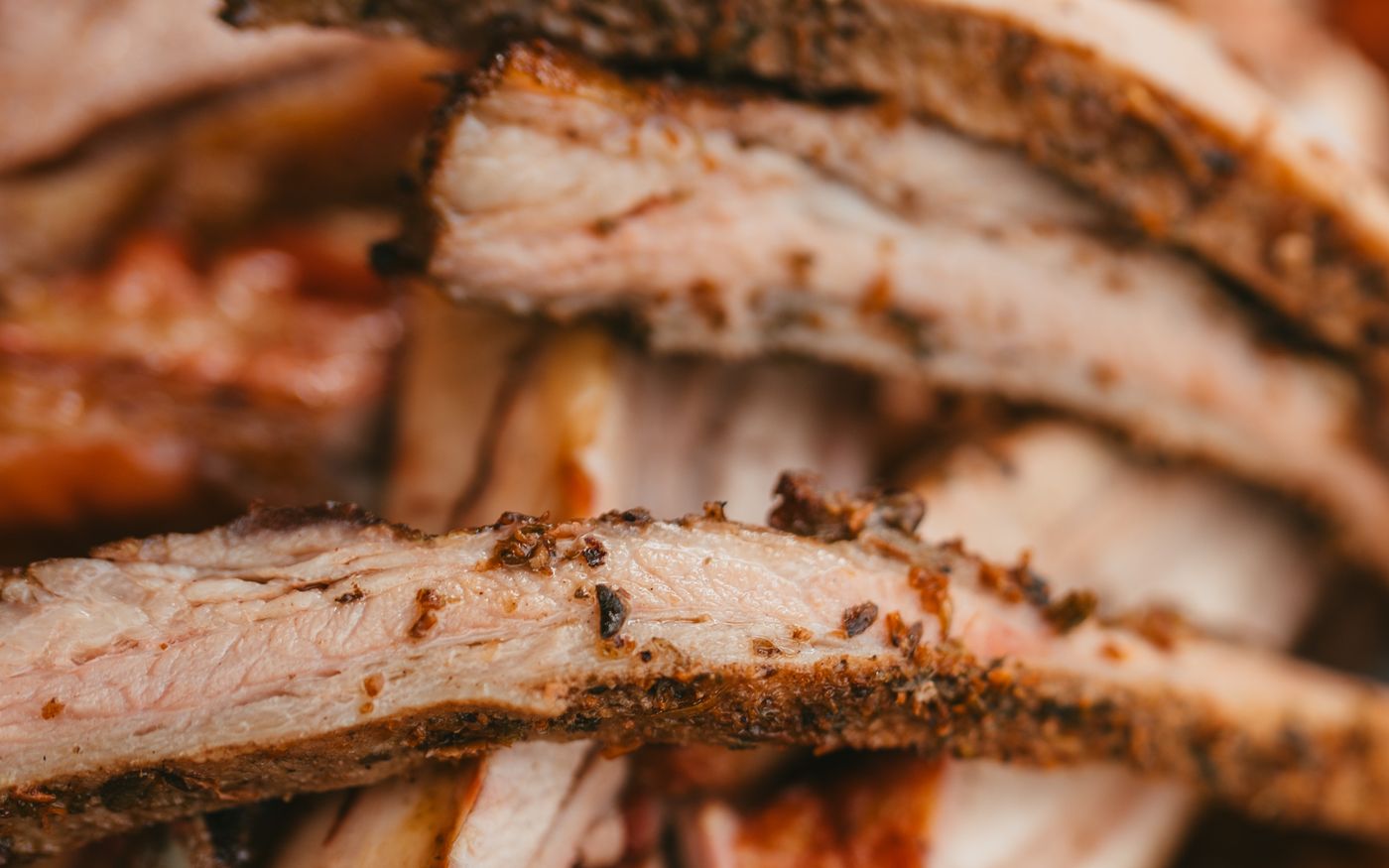
Pork shoulder steeped overnight in garlic-citrus mojo, roasted low under cover for hours, then uncovered hot until the skin crackles and the meat pulls into juicy chunks.
How hard is it
Nothing to juggle — one thing at a time.
For 8 servings.
No reviews yet
Cooked this? Be the first to tell everyone how it went.
Sign in to rate and review this recipe.
Sign in to suggest corrections and improvements.
Community posts are opinions, not professional advice. Community guidelines
Videos belong to their creators and play on their platform’s terms — Cibora never re-hosts third-party video.
Buy these ingredients
Links open each store’s own site, where you see their live local prices. Our cost figures in the app are estimates only.
Score the pork skin in a crosshatch and stab the flesh all over with a paring knife — deep pockets for the mojo to reach the meat, not just the surface.
Blend the orange juice, lime juice, garlic, oregano and cumin into a loose mojo.
💡 Twelve cloves is the timid version. Cubans measure garlic by faith, not spoons.
Rub the mojo into every stabbed pocket and over the scored skin; cover and marinate overnight in the fridge.
Bring the pork to room temperature, set it on the onion rings in the roasting pan, and roast covered at 160°C for 3 hours.
Uncover, raise the oven to 220°C, and roast until the skin blisters and crackles, 30–40 minutes.
💡 Watch it in the last 10 minutes — crackling goes from perfect to burnt fast at this heat.
Pull the pan and let the pork rest 15 minutes before carving so the juices settle back in.
Strain the pan juices into a small pot and boil hard for a minute to cook off the raw marinade.
Pull the meat into chunks, pour the boiled juices over, and serve with moros and yuca.
Christmas Eve in Cuba is architecturally organized around roast pork. The mojo — sour orange, garlic in unreasonable amounts, oregano — is both marinade and religion.
No suggestions yet. Spotted a wrong quantity, a missing step, or a better technique? Suggest it — accepted changes join the recipe’s version history.
Sign in to join the discussion. Reading is open to everyone.
Nothing here yet — questions about technique, timing, and substitutions all welcome.