๐ฎ๐ฑ IsraelCatalog recipe
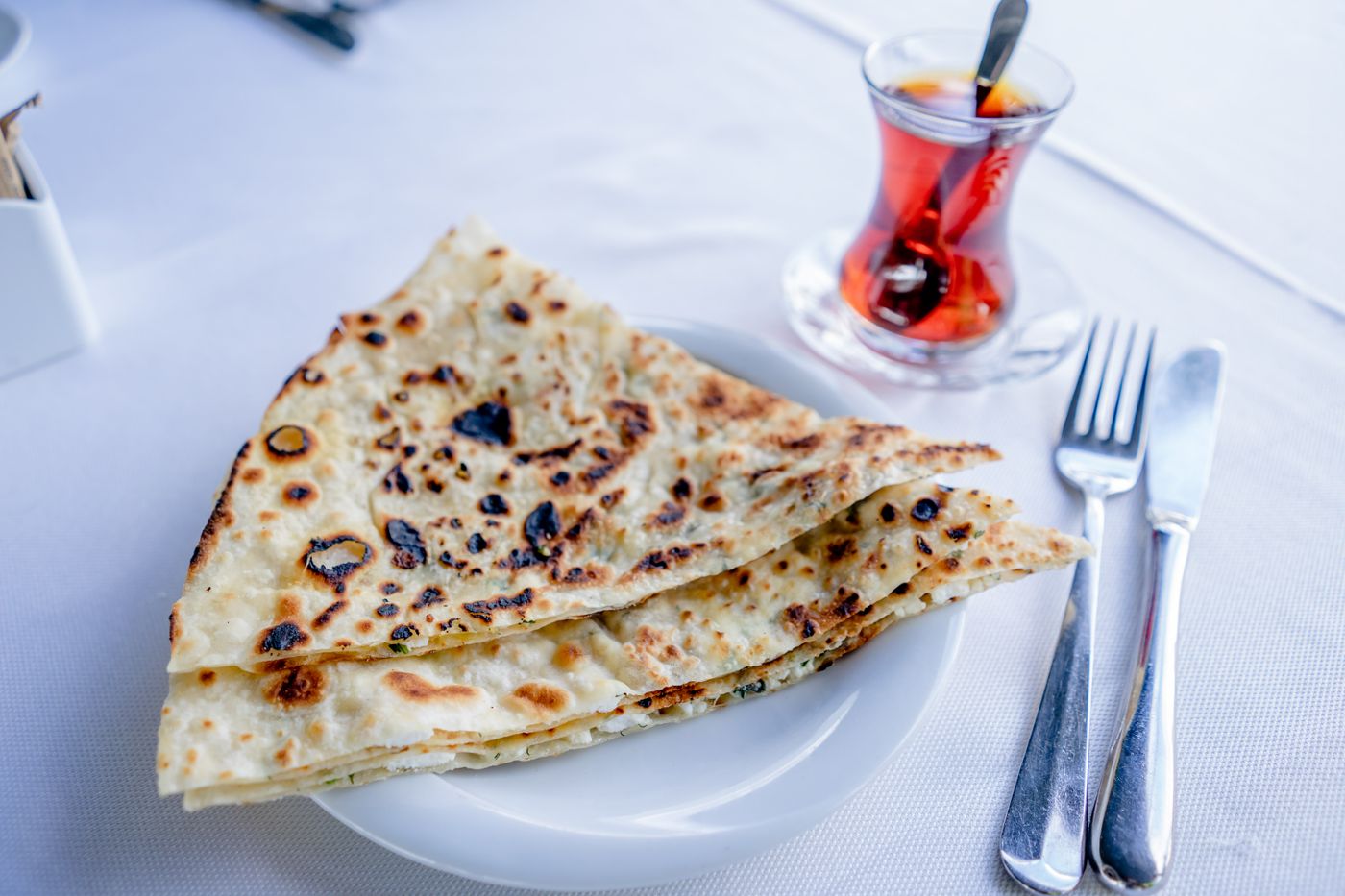
Dough rolled paper-thin, layered with oil and coiled before frying, so each round pulls apart into dozens of blistered, buttery-crisp sheets.
For 6 servings.
No reviews yet
Cooked this? Be the first to tell everyone how it went.
Sign in to rate and review this recipe.
Sign in to suggest corrections and improvements.
Community posts are opinions, not professional advice. Community guidelines
Videos belong to their creators and play on their platformโs terms โ Cibora never re-hosts third-party video.
Buy these ingredients
Links open each storeโs own site, where you see their live local prices. Our cost figures in the app are estimates only.
Knead the flour, water and salt into a smooth, soft dough; cover and rest 20 minutes.
Divide into 6 balls, then roll each one out as thin as you can manage on an oiled surface.
๐ก Thin here means almost see-through โ stretch it further with oiled hands if the pin stalls.
Brush each sheet generously with oil, then roll it into a tight coil and let it rest again, 15 minutes.
๐ก This rest relaxes the gluten so the coil doesn't spring back when you flatten it.
Flatten each coil with your palm, then roll gently into a round bread, keeping the coiled layers intact.
Meanwhile blitz the chilies, cilantro, garlic and cardamom with a splash of oil into a rough, spicy paste for the schug.
Fry each malawach in a dry, well-oiled pan over medium heat until blistered and deep golden on both sides, 3-4 minutes per side.
Serve hot, torn into pieces, with grated tomato, halved boiled eggs and the schug alongside.
Malawach came to Israel with Yemenite Jews and turned into a full Saturday-morning ritual: the bread fried fresh, then piled with grated tomato, a hard-boiled egg and a fiery chili relish called schug. The lamination โ oil worked between endless thin layers โ is closer to a pastry technique than an everyday flatbread, and it rewards patience more than force. Yemenite cafรฉs across Israel still serve it as their signature dish.
No suggestions yet. Spotted a wrong quantity, a missing step, or a better technique? Suggest it โ accepted changes join the recipeโs version history.
Sign in to join the discussion. Reading is open to everyone.
Nothing here yet โ questions about technique, timing, and substitutions all welcome.