π§π© BangladeshCatalog recipe
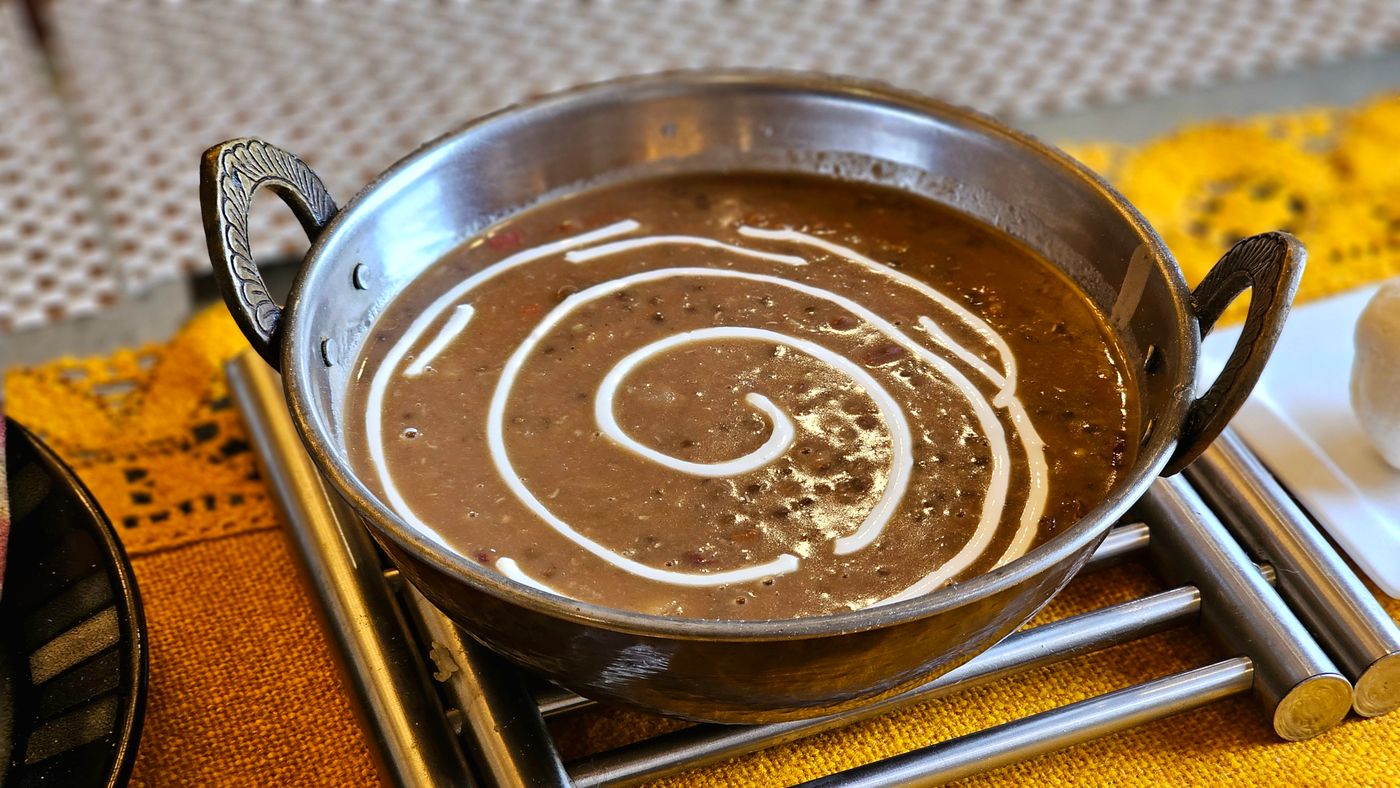
Red lentils simmered thin and brothy, then finished with a sizzling mustard-oil tempering of dried chili and garlic poured straight over the top β the everyday soup under every Bengali meal.
For 4 servings.
No reviews yet
Cooked this? Be the first to tell everyone how it went.
Sign in to rate and review this recipe.
Sign in to suggest corrections and improvements.
Community posts are opinions, not professional advice. Community guidelines
Videos belong to their creators and play on their platformβs terms β Cibora never re-hosts third-party video.
Buy these ingredients
Links open each storeβs own site, where you see their live local prices. Our cost figures in the app are estimates only.
Simmer the lentils with the turmeric, half the garlic, the tomato and 900 ml water until fully soft and starting to fall apart, about 18 minutes, skimming any foam.
Whisk or lightly mash the lentils to a coarse, spoonable consistency.
π‘ Bengali dal shorba stays thin and brothy β don't blend it smooth, or it turns into a different dish.
In a small pan, crackle the mustard seed and dried chilies in the mustard oil, then add the remaining garlic and ginger and fry until golden.
Pour the sizzling tempering straight into the pot and simmer 3 minutes to marry the flavors.
Season with salt, finish with lemon juice and cilantro, and ladle hot over rice or drink it on its own.
A thin dal, tempered with a hot spoonful of oil and chili poured over at the very end, closes almost every everyday Bangladeshi meal β spooned over the last of the rice rather than served as a separate course. Red lentils cook fastest of any dal, which is exactly why they became the household default over slower-cooking varieties. The tempering, called 'chhonk' or 'bagar', is often finished at the table so it still hisses when it lands.
No suggestions yet. Spotted a wrong quantity, a missing step, or a better technique? Suggest it β accepted changes join the recipeβs version history.
Sign in to join the discussion. Reading is open to everyone.
Nothing here yet β questions about technique, timing, and substitutions all welcome.