๐ง๐ฉ BangladeshCatalog recipe
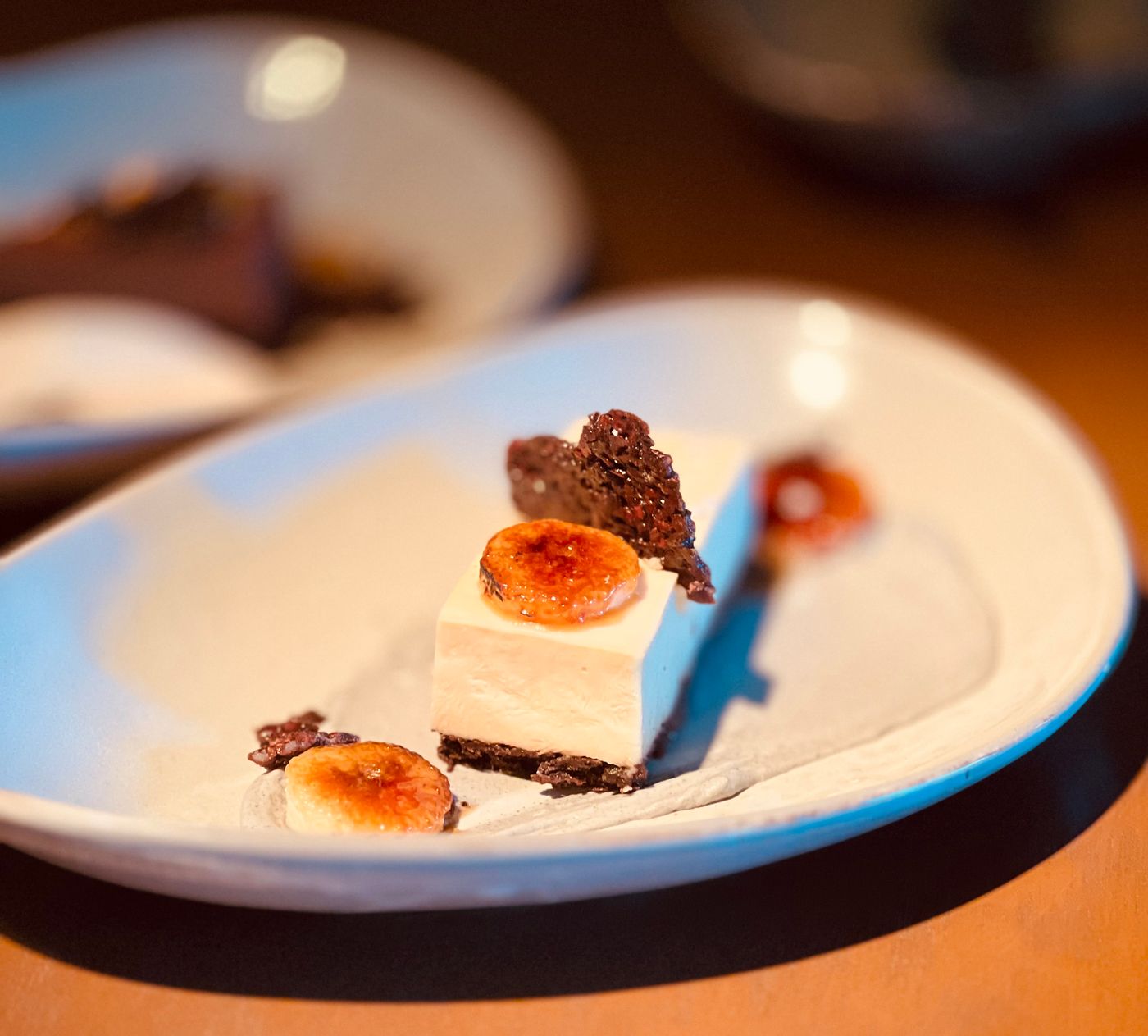
Milk reduced and sweetened with deep amber caramel, then set overnight into a firm, faintly tangy custard โ Bangladesh's answer to yogurt, eaten cold straight from the clay cup.
For 6 servings.
No reviews yet
Cooked this? Be the first to tell everyone how it went.
Sign in to rate and review this recipe.
Sign in to suggest corrections and improvements.
Community posts are opinions, not professional advice. Community guidelines
Videos belong to their creators and play on their platformโs terms โ Cibora never re-hosts third-party video.
Buy these ingredients
Links open each storeโs own site, where you see their live local prices. Our cost figures in the app are estimates only.
Simmer the milk in a wide pan, stirring often, until reduced by about a third and lightly thickened, about 25 minutes.
In a separate small pan, melt the sugar over medium heat, undisturbed, until it turns a deep amber caramel.
๐ก Swirl the pan instead of stirring, and watch closely near the end โ caramel goes from ready to burnt in seconds.
Whisk the hot caramel into the reduced milk until fully dissolved, then let it cool until just warm to the touch.
Whisk in the yogurt starter thoroughly, then pour into small earthenware cups or a covered bowl.
Set in a warm, draft-free spot โ an oven with just the light on works well โ undisturbed for 6โ8 hours, until fully set and faintly wobbly.
Chill at least 2 hours before serving cold, straight from the cup.
Mishti doi took shape in the sweet shops of old Bengal, where reducing milk and caramelizing sugar before setting it into yogurt turned a humble ferment into a proper dessert. Bogura, in northern Bangladesh, built its reputation on the dish and still ships it by the clay potful into Dhaka. The clay cup is not decoration โ its porous walls pull moisture out as the yogurt sets, firming the texture in a way glass or plastic cannot match.
No suggestions yet. Spotted a wrong quantity, a missing step, or a better technique? Suggest it โ accepted changes join the recipeโs version history.
Sign in to join the discussion. Reading is open to everyone.
Nothing here yet โ questions about technique, timing, and substitutions all welcome.