🇯🇵 JapanCatalog recipe · Hokkaido
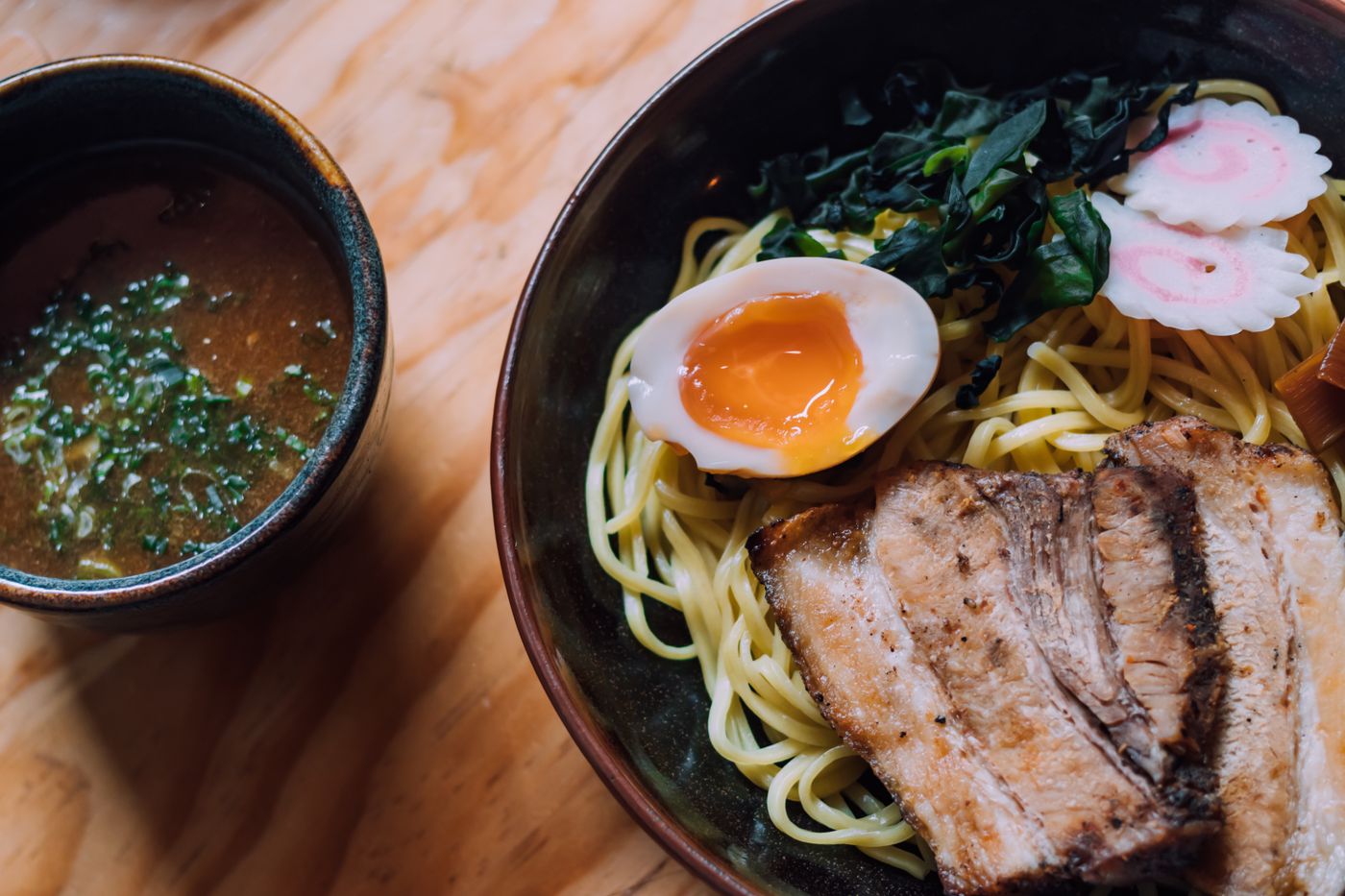
Springy noodles in a rich miso-charged broth, crowned with soy-marinated pork belly, a jammy egg and sweet corn.
For 4 servings.
No reviews yet
Cooked this? Be the first to tell everyone how it went.
Sign in to rate and review this recipe.
Sign in to suggest corrections and improvements.
Community posts are opinions, not professional advice. Community guidelines
Buy these ingredients
Links open each store’s own site, where you see their live local prices. Our cost figures in the app are estimates only.
Videos belong to their creators and play on their platform’s terms — Cibora never re-hosts third-party video.
Roll the pork belly tightly, tie with string, and simmer it with the chicken wings, ginger and 2.5 litres of water. Skim, then cook gently, partly covered, for 2 hours.
💡 A bare shiver of a simmer keeps the broth clean; a hard boil turns it cloudy and greasy.
Lift out the pork and marinate it in the soy sauce and sake while the broth finishes. Strain the broth and keep it hot.
Lower the eggs into boiling water for exactly 7 minutes, then plunge into iced water and peel. Halve just before serving.
💡 Seven minutes gives the classic set white and molten amber yolk.
Fry the garlic in sesame oil in a small pan for 1 minute, then work in the miso paste and a ladle of broth to make a loose tare.
Whisk the miso tare back into the pot of broth, season with a splash of the pork marinade and salt to taste, and keep just below a boil.
Cook the noodles in plenty of unsalted boiling water until just springy, about 2 minutes for fresh, then drain hard.
Divide the noodles between deep bowls, pour over the broth, and top with sliced pork, egg halves, corn, scallions and a knob of butter.
💡 Serve immediately — noodles keep cooking in the hot broth and soften by the minute.
Miso ramen was born in the snow country of Hokkaido, where Sapporo cooks began stirring fermented soybean paste into pork broth in the 1950s to fight the cold. The style spread nationwide and became one of ramen's three great schools alongside shoyu and shio. Butter and corn, two Hokkaido staples, remain its signature toppings.
No suggestions yet. Spotted a wrong quantity, a missing step, or a better technique? Suggest it — accepted changes join the recipe’s version history.
Sign in to join the discussion. Reading is open to everyone.
Nothing here yet — questions about technique, timing, and substitutions all welcome.