π¨π¦ CanadaCatalog recipe Β· Quebec
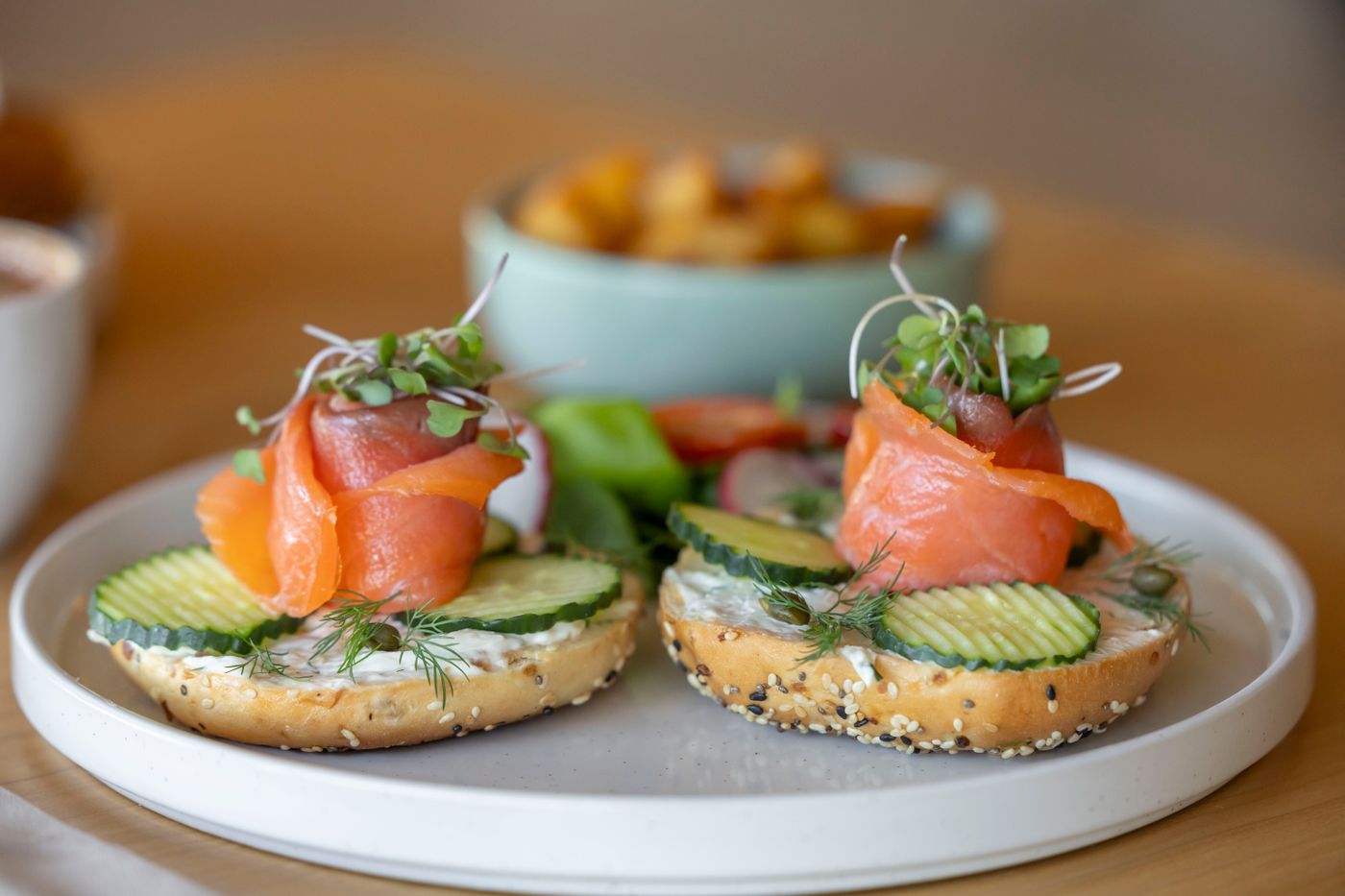
Dense, sesame-crusted rings boiled in honey water and baked in a screaming-hot oven until dark and chewy β smaller and sweeter than a New York bagel.
For 12 servings.
No reviews yet
Cooked this? Be the first to tell everyone how it went.
Sign in to rate and review this recipe.
Sign in to suggest corrections and improvements.
Community posts are opinions, not professional advice. Community guidelines
Videos belong to their creators and play on their platformβs terms β Cibora never re-hosts third-party video.
Buy these ingredients
Links open each storeβs own site, where you see their live local prices. Our cost figures in the app are estimates only.
Dissolve the yeast in 200ml warm water with a spoonful of the dough honey; let stand 5 minutes until foamy.
Mix in the flour, egg, oil, remaining dough honey and salt; knead into a stiff, smooth dough, about 8 minutes.
π‘ Montreal bagel dough is drier and denser than most bread doughs β resist adding extra water.
Cover and let rise until roughly doubled, about 1 hour.
Divide into 12 pieces, roll each into a rope and pinch the ends together around your fist to form a ring.
Bring a wide pot of water to a boil with the remaining honey; boil the bagels in batches, 45 seconds per side, then lift onto a towel.
π‘ The honey water is what gives them their shine and faint sweetness.
While still wet, press each bagel into a plate of sesame seeds to coat, then arrange on a baking sheet.
Bake at 230Β°C for 12β15 minutes, until deeply golden, almost bronzed at the edges.
Montreal bagels arrived with Jewish immigrants from Eastern Europe in the early 1900s and diverged from the New York style at bakeries like St-Viateur and Fairmount: hand-rolled, boiled in honey-sweetened water, and traditionally baked in a wood-fired oven that leaves a distinct char. Sesame is the classic topping, though poppy seed versions are just as common.
No suggestions yet. Spotted a wrong quantity, a missing step, or a better technique? Suggest it β accepted changes join the recipeβs version history.
Sign in to join the discussion. Reading is open to everyone.
Nothing here yet β questions about technique, timing, and substitutions all welcome.