π―π΅ JapanCatalog recipe
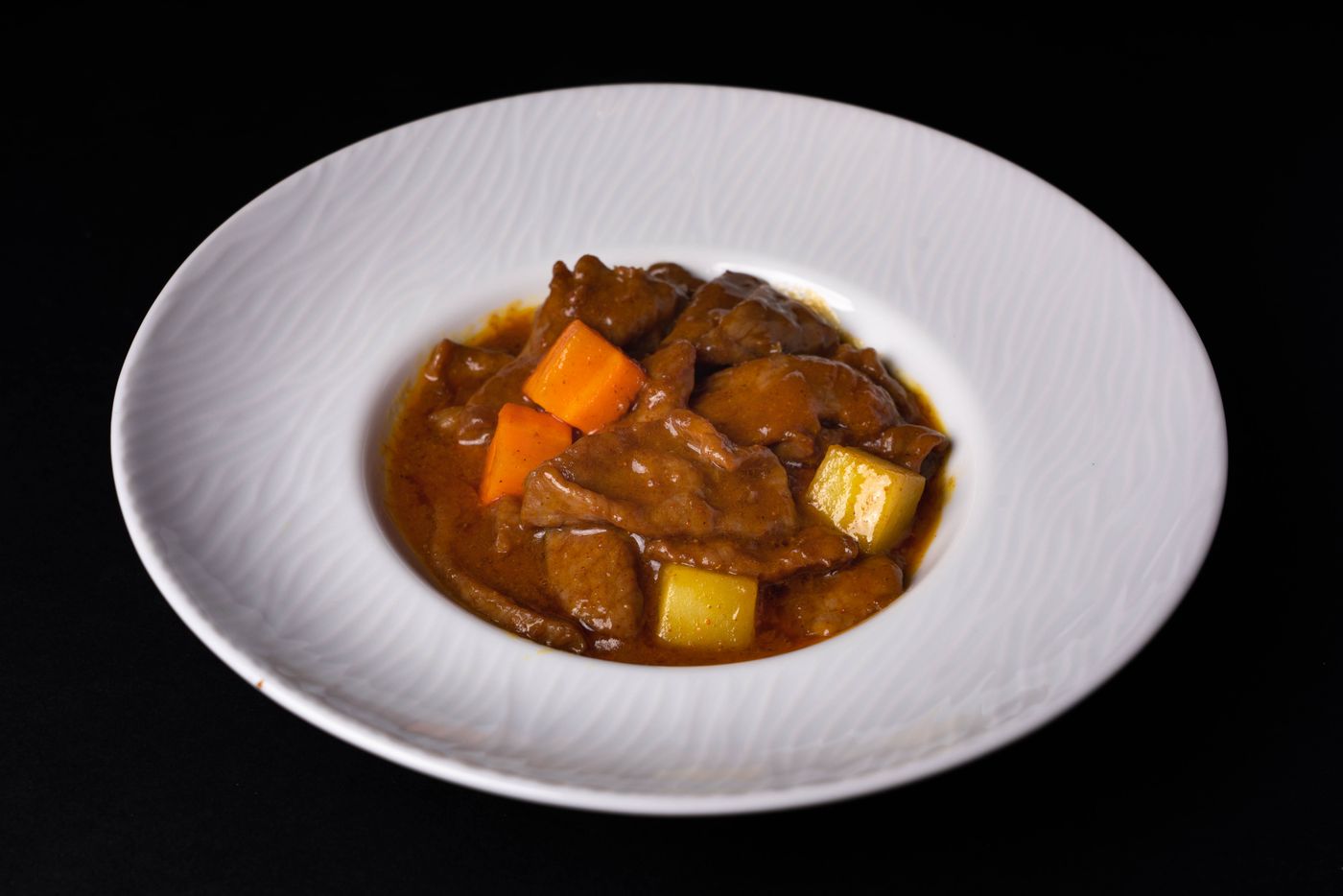
Beef, potato, carrot and onion simmered slowly in a sweet soy-dashi broth until the potatoes soften at the edges β the dish most Japanese cooks call their mother's taste.
For 4 servings.
No reviews yet
Cooked this? Be the first to tell everyone how it went.
Sign in to rate and review this recipe.
Sign in to suggest corrections and improvements.
Community posts are opinions, not professional advice. Community guidelines
Videos belong to their creators and play on their platformβs terms β Cibora never re-hosts third-party video.
Buy these ingredients
Links open each storeβs own site, where you see their live local prices. Our cost figures in the app are estimates only.
Heat the oil in a large pot and brown the ground beef over medium-high heat, breaking it into large clumps rather than fine crumbles, about 4 minutes.
Add the onion and cook 2 minutes until it starts to soften.
Add the potato and carrot and stir to coat everything in the beef fat.
Pour in the dashi, soy sauce, mirin, sake and sugar, bring to a simmer, and skim off any foam that rises.
Cover partway and simmer gently until the potatoes are tender and starting to break at the edges, about 18 minutes.
π‘ A lid left slightly ajar lets the broth reduce and cling to the vegetables instead of staying thin and watery.
Uncover and simmer 3β4 minutes more, tilting the pot and spooning the broth back over the vegetables as it thickens.
Rest 5 minutes off the heat β nikujaga always tastes better once it sits β then scatter with spring onion and serve with rice.
Nikujaga is said to have been invented in the 1890s when a naval officer, homesick for a beef stew he'd eaten abroad, asked his ship's cooks to recreate it with soy sauce, dashi and sugar in place of stock and wine. Whatever the truth of that story, the dish became the model of ofukuro no aji β 'mother's taste' β that Japanese home cooking is measured against. Nearly every household has its own ratio of sweet to salty.
No suggestions yet. Spotted a wrong quantity, a missing step, or a better technique? Suggest it β accepted changes join the recipeβs version history.
Sign in to join the discussion. Reading is open to everyone.
Nothing here yet β questions about technique, timing, and substitutions all welcome.