π―π΅ JapanCatalog recipe
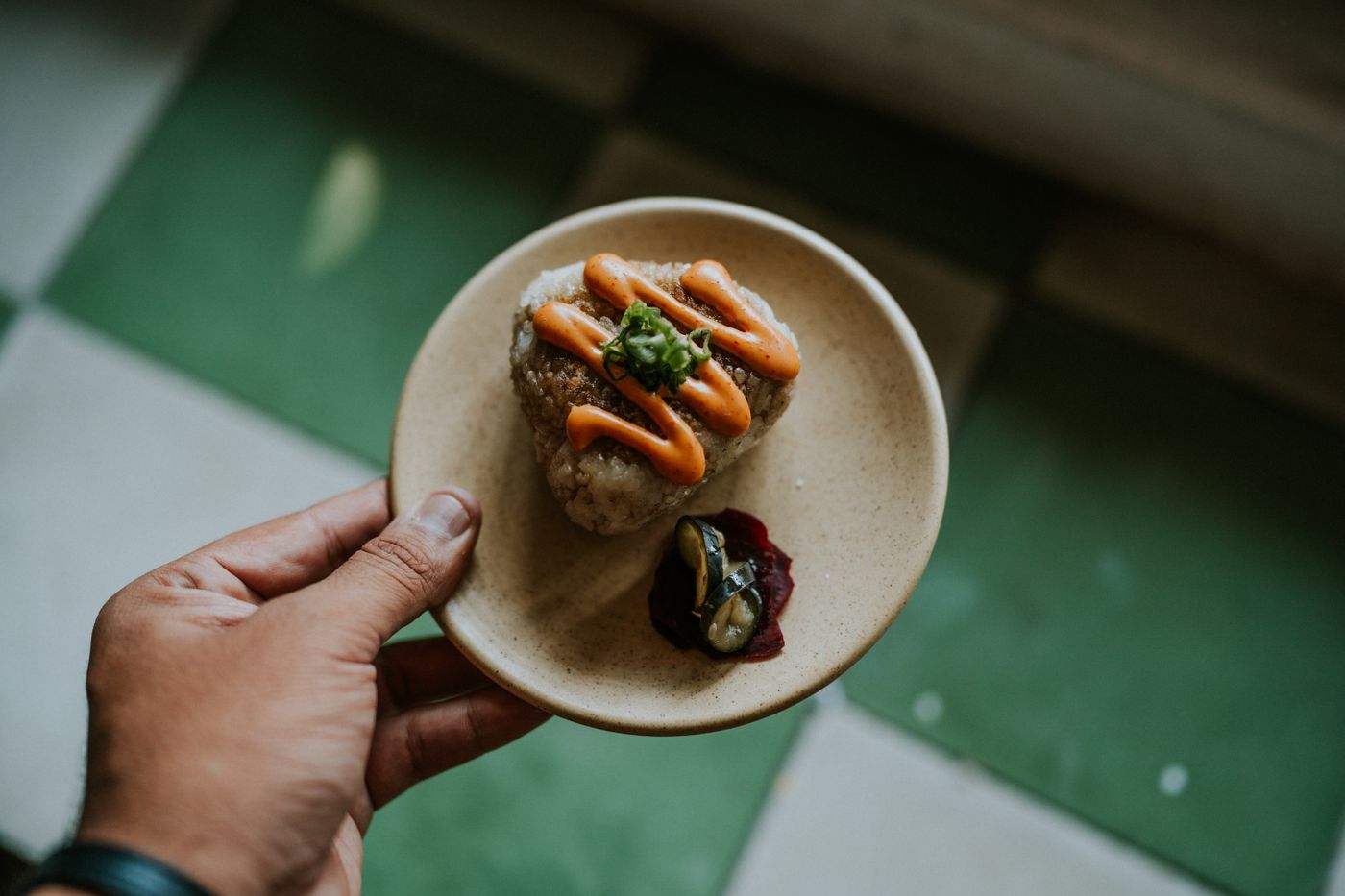
Hand-pressed triangles of warm salted rice hiding a bracing pickled plum, wrapped in a crisp sash of nori.
For 4 servings.
Buy these ingredients
Links open each storeβs own site, where you see their live local prices. Our cost figures in the app are estimates only.
No reviews yet
Cooked this? Be the first to tell everyone how it went.
Sign in to rate and review this recipe.
Sign in to suggest corrections and improvements.
Community posts are opinions, not professional advice. Community guidelines
Videos belong to their creators and play on their platformβs terms β Cibora never re-hosts third-party video.
Rinse the rice in several changes of water until it runs nearly clear, then drain well.
π‘ Rinsing washes off loose starch so the grains stay glossy and distinct, not gluey.
Combine the rice and measured water in a saucepan, bring to a boil, then cover, drop to the lowest heat and cook 13 minutes.
Rest the rice, still covered and off the heat, for 10 minutes, then fluff gently.
Wet your hands, rub them with a pinch of salt, and scoop up a handful of warm rice.
π‘ Work while the rice is warm β cool rice refuses to hold a shape.
Press a piece of umeboshi into the center, then cup and turn the rice, squeezing gently three or four times into a plump triangle.
Wrap each onigiri with a strip of nori, scatter with sesame seeds, and eat the same day.
Onigiri predate sushi by centuries: pressed rice was the portable meal of farmers, travelers and samurai, and rice balls have been found carbonized in ruins a thousand years old. The salty umeboshi at the center was prized for keeping the rice fresh on the road. Today they fill convenience-store shelves, but the hand-shaped kind is still an act of care.
Sign in to join the discussion. Reading is open to everyone.
Nothing here yet β questions about technique, timing, and substitutions all welcome.
No suggestions yet. Spotted a wrong quantity, a missing step, or a better technique? Suggest it β accepted changes join the recipeβs version history.