🇺🇿 UzbekistanCatalog recipe
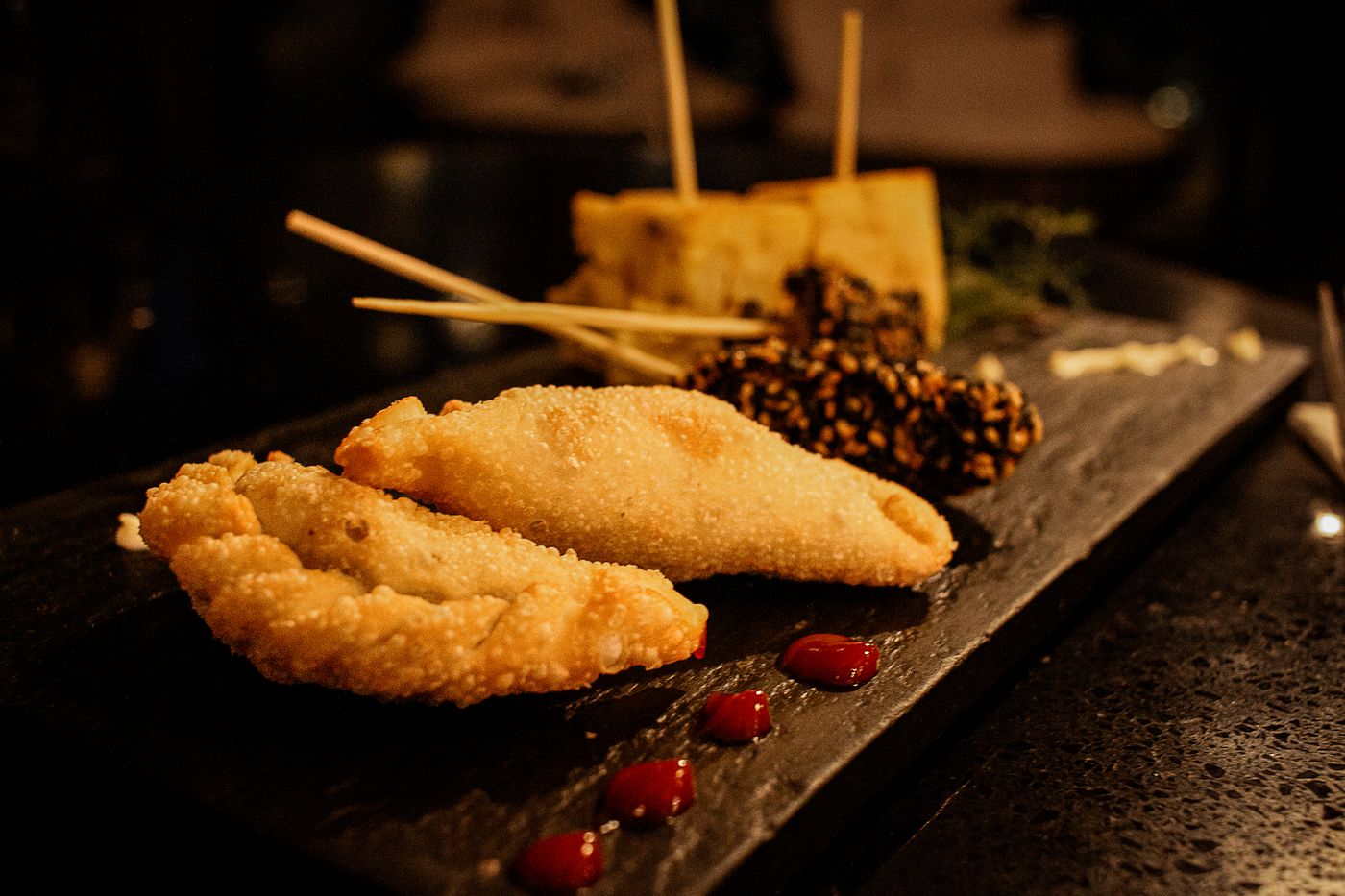
Flaky triangles of laminated dough packed with cumin-spiced lamb and onion, baked until deep bronze and eaten hot enough to scald, straight from the paper bag.
How hard is it
A straightforward cook.
One moment where you are juggling two things at once. Kneading dough by hand.
For 8 servings.
No reviews yet
Cooked this? Be the first to tell everyone how it went.
Sign in to rate and review this recipe.
Sign in to suggest corrections and improvements.
Community posts are opinions, not professional advice. Community guidelines
Videos belong to their creators and play on their platform’s terms — Cibora never re-hosts third-party video.
Buy these ingredients
Links open each store’s own site, where you see their live local prices. Our cost figures in the app are estimates only.
Make a smooth, firm dough with the flour and a splash of water; knead until elastic.
Roll the dough thin, brush it with the butter, then roll it into a log and coil it — this is the cheater's lamination.
Chill the coiled dough 30 minutes so the butter firms and the layers hold.
Meanwhile, mix the chopped lamb with the onion, cumin, salt and pepper for the filling.
Cut the chilled coil into pieces and roll each into a thin round.
Fill each round and pinch it into a sealed triangle, pressing the seams tight so the juices stay in.
💡 Underfilled triangles dry out in the oven — pack the filling generously and seal hard.
Brush the tops with the beaten egg and scatter with black sesame seeds.
Bake at 220°C for 25–30 minutes until deep bronze.
💡 The juice inside is molten for a good ten minutes. Samsa burns are a rite of passage; waiting is wiser.
Serve hot, straight from the paper the way street vendors do, giving each one a minute to cool before the first bite.
Samsa is the samosa's Central Asian ancestor, slapped onto tandoor walls to blister. Sold from street windows in stacks, they scent whole blocks of Tashkent at noon.
No suggestions yet. Spotted a wrong quantity, a missing step, or a better technique? Suggest it — accepted changes join the recipe’s version history.
Sign in to join the discussion. Reading is open to everyone.
Nothing here yet — questions about technique, timing, and substitutions all welcome.