🇭🇺 HungaryCatalog recipe
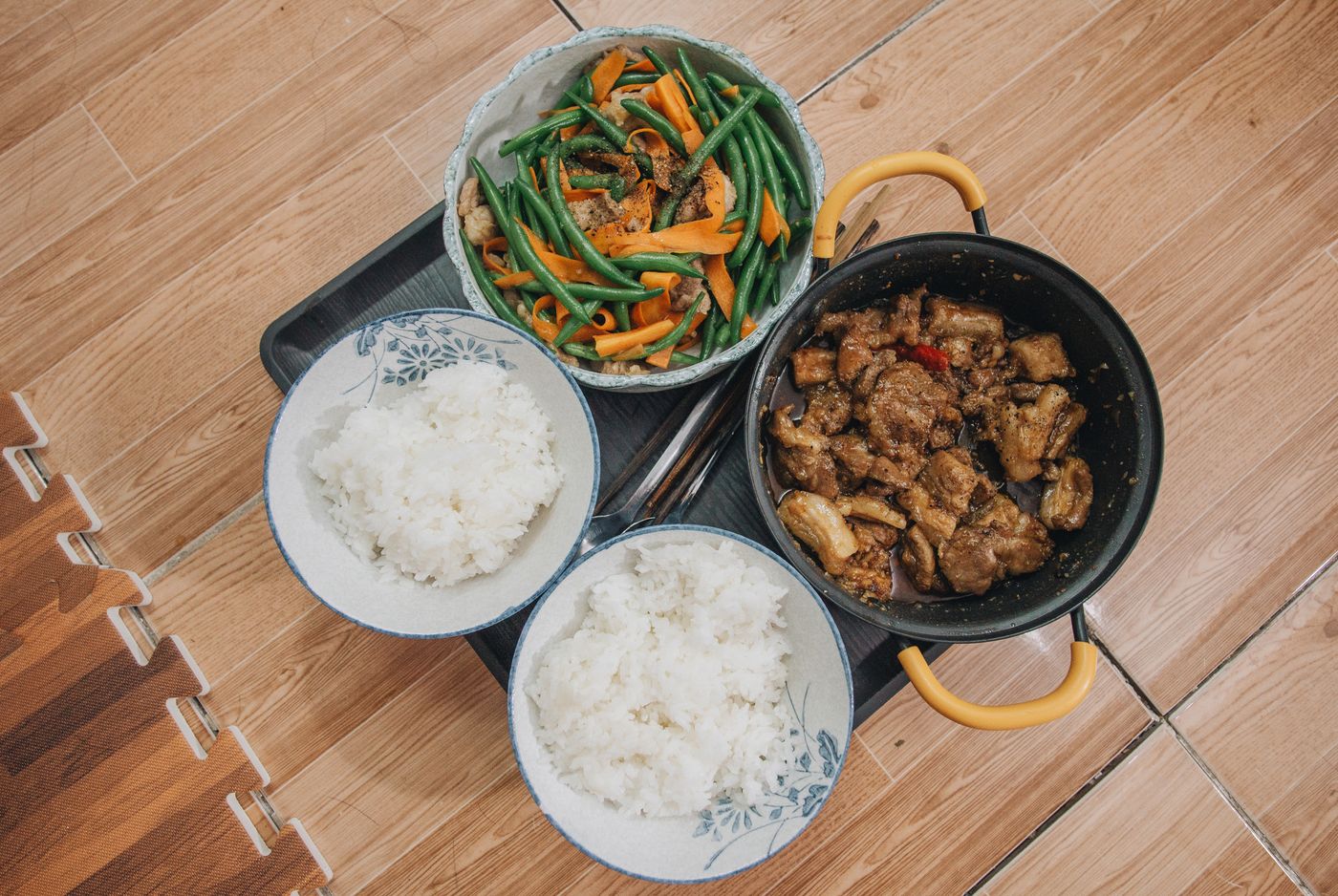
Pork shoulder braised low and slow with sweet paprika and onion until the sauce turns thick and deeply reddish-brown, clinging tightly to the meat.
For 5 servings.
No reviews yet
Cooked this? Be the first to tell everyone how it went.
Sign in to rate and review this recipe.
Sign in to suggest corrections and improvements.
Community posts are opinions, not professional advice. Community guidelines
Videos belong to their creators and play on their platform’s terms — Cibora never re-hosts third-party video.
Buy these ingredients
Links open each store’s own site, where you see their live local prices. Our cost figures in the app are estimates only.
Render the lard, then cook the onions over medium-low heat, stirring often, until deeply golden and jammy, 15–20 minutes.
💡 Slow-cooked onions are the whole base of pörkölt — rushing this step is the most common mistake.
Push the onions aside and brown the pork cubes in the same pot, in batches, until well colored.
Pull the pot off the heat, stir in the paprika, garlic and caraway until fragrant, then return to low heat and add just enough water to barely cover.
Add the bay leaf, cover, and simmer very gently until the pork is tender, about 1 hour, stirring occasionally and topping up water only if it runs dry.
Stir in the tomato and bell pepper, then simmer uncovered 15 more minutes so the sauce thickens around the meat.
💡 It's ready when a spoon dragged through leaves a slow-closing trail, not a puddle.
Season with salt, discard the bay leaf, and rest 5 minutes before serving.
Pörkölt is the everyday stew many Hungarians reach for at home, using the same paprika-onion base as gulyás but built with far less liquid so the sauce clings rather than pools. Its name comes from 'pörkölni', to scorch or singe, a nod to the deep browning the onions and meat need before anything else goes in. Pork, beef or game all take the treatment; pork is the weeknight version.
No suggestions yet. Spotted a wrong quantity, a missing step, or a better technique? Suggest it — accepted changes join the recipe’s version history.
Sign in to join the discussion. Reading is open to everyone.
Nothing here yet — questions about technique, timing, and substitutions all welcome.