🇸🇾 SyriaCatalog recipe · Damascus
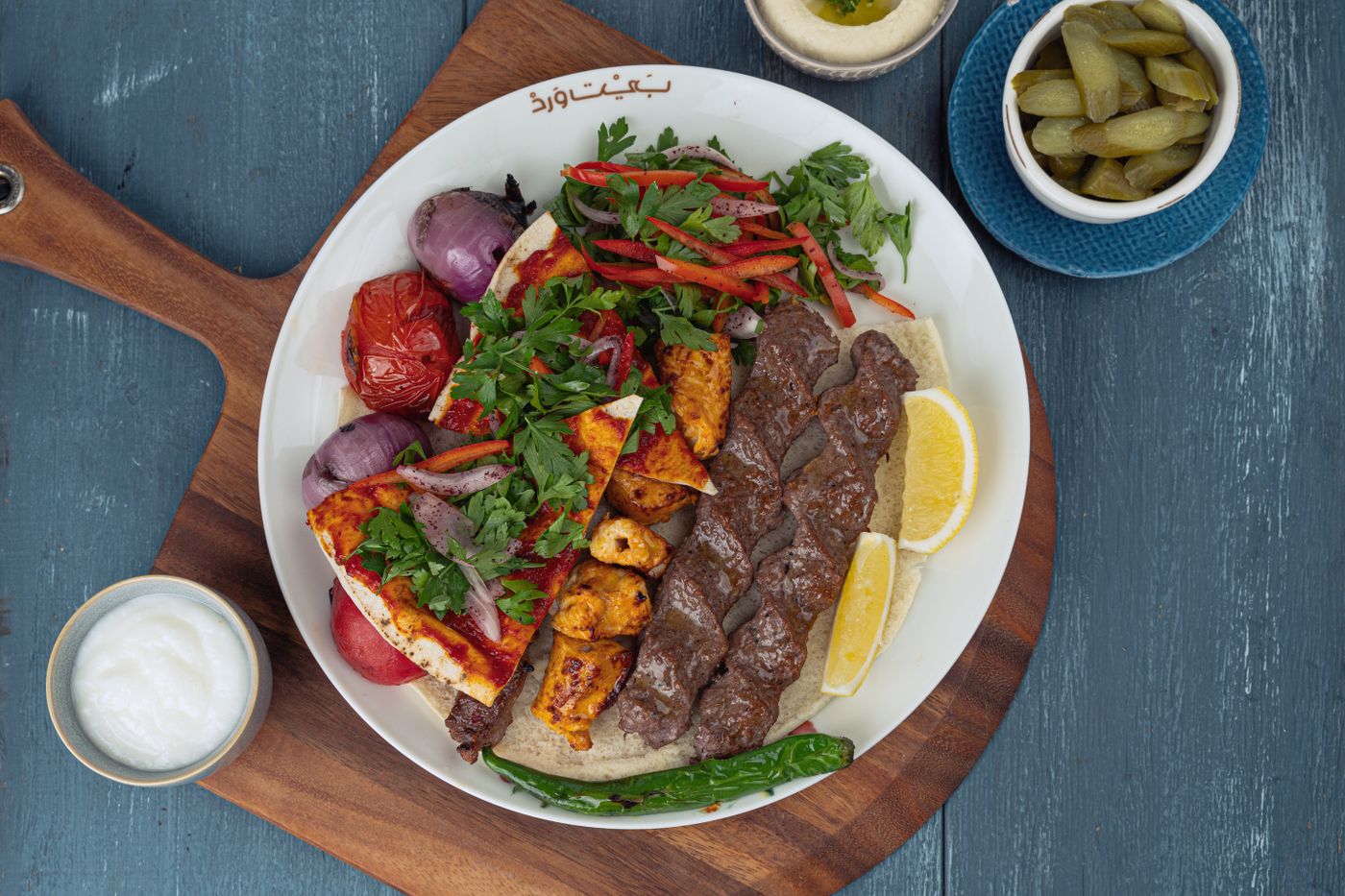
Lamb simmered in warm, stabilized yogurt sauce over rice — Damascus comfort at its most maternal.
How hard is it
A straightforward cook.
One moment where you are juggling two things at once.
For 4 servings.
No reviews yet
Cooked this? Be the first to tell everyone how it went.
Sign in to rate and review this recipe.
Sign in to suggest corrections and improvements.
Community posts are opinions, not professional advice. Community guidelines
Videos belong to their creators and play on their platform’s terms — Cibora never re-hosts third-party video.
Buy these ingredients
Links open each store’s own site, where you see their live local prices. Our cost figures in the app are estimates only.
Put the lamb shoulder cubes and onion in a pot with water to cover; bring to a boil, skim off any foam, then reduce to a gentle simmer for 75 minutes, until the lamb is fork-tender.
Lift out the lamb and onion with a slotted spoon and set aside; reserve a cup of the cooking broth.
Meanwhile, cook the rice by your usual method and keep it warm; toast the pine nuts in a dry pan over medium heat, tossing, until golden, and set aside for topping.
💡 Watch the pine nuts closely — their small size means golden becomes burnt in seconds.
In a separate bowl, whisk the yogurt with the egg and cornstarch while still cold — this stabilizes it against curdling.
Warm the yogurt mixture over low heat, stirring constantly in one direction, until it thickens to a light custard consistency.
💡 One direction, never boiling — folklore and food science agree for once.
Return the lamb to the sauce with a little of the reserved broth and simmer gently for 10 minutes so the flavors meld.
Spoon over the warm rice and scatter with the toasted pine nuts to serve.
Cooking yogurt without splitting it is the Levant's quiet kitchen test; a spoon of starch and one-direction stirring keep the sauce silk. Shakriyeh is what Syrian homesickness tastes like.
No suggestions yet. Spotted a wrong quantity, a missing step, or a better technique? Suggest it — accepted changes join the recipe’s version history.
Sign in to join the discussion. Reading is open to everyone.
Nothing here yet — questions about technique, timing, and substitutions all welcome.