πΈπ¬ SingaporeCatalog recipe
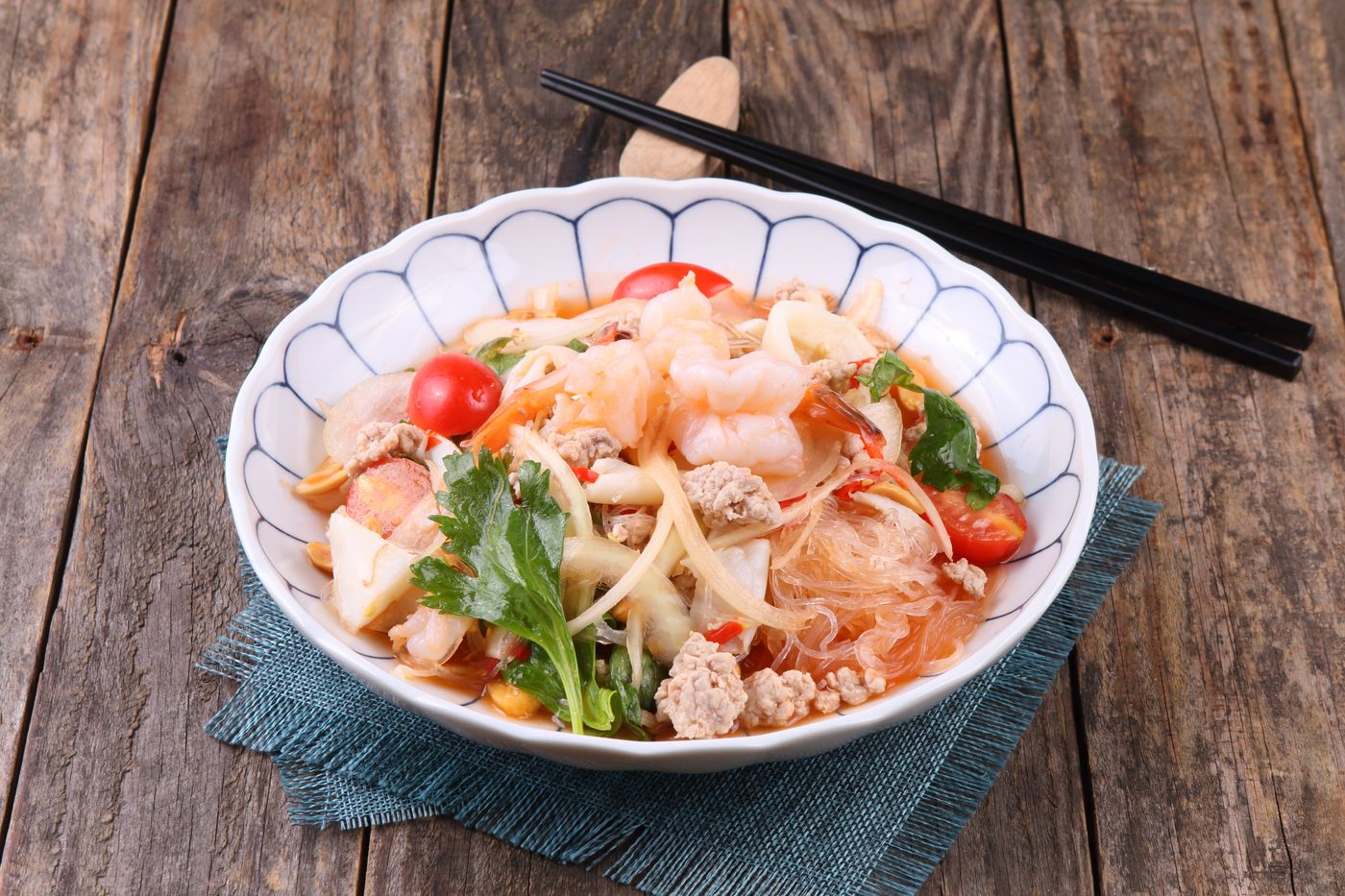
Yellow noodles and rice vermicelli braised down in a reducing prawn-and-pork stock until the noodles turn the color of the broth, finished with a squeeze of calamansi lime.
For 4 servings.
No reviews yet
Cooked this? Be the first to tell everyone how it went.
Sign in to rate and review this recipe.
Sign in to suggest corrections and improvements.
Community posts are opinions, not professional advice. Community guidelines
Videos belong to their creators and play on their platformβs terms β Cibora never re-hosts third-party video.
Buy these ingredients
Links open each storeβs own site, where you see their live local prices. Our cost figures in the app are estimates only.
Simmer the shrimp shells with the pork belly in 700ml water for 20 minutes to build a quick, fatty stock; strain, keep the pork, discard the shells.
Fry the garlic in a hot wok until golden, then add the sliced pork and squid and sear 2 minutes.
Add the noodles and vermicelli with a few ladles of stock; press the noodles down and toss so they drink up the liquid.
Keep adding stock a ladle at a time, tossing constantly, until the noodles turn glossy amber and most of the liquid has cooked away, about 10 minutes.
π‘ This is a braise wearing a stir-fry's clothes β the color only builds if you're patient with the stock.
Push the noodles aside, scramble the eggs, then fold them through along with the shrimp, fish sauce and soy sauce.
Add the bean sprouts, toss 1 minute, and plate with lime wedges on the side.
Hokkien immigrants who worked the docks and prawn markets around the old Rochor River are credited with braising leftover noodles in whatever prawn stock was on hand. The Singapore version, cooked dry and dark from a long stock reduction, is a different dish entirely from Penang's soupy Hokkien mee despite the shared name. Geylang's stalls are still where locals send out-of-towners to settle the argument.
No suggestions yet. Spotted a wrong quantity, a missing step, or a better technique? Suggest it β accepted changes join the recipeβs version history.
Sign in to join the discussion. Reading is open to everyone.
Nothing here yet β questions about technique, timing, and substitutions all welcome.