🇫🇷 FranceCatalog recipe
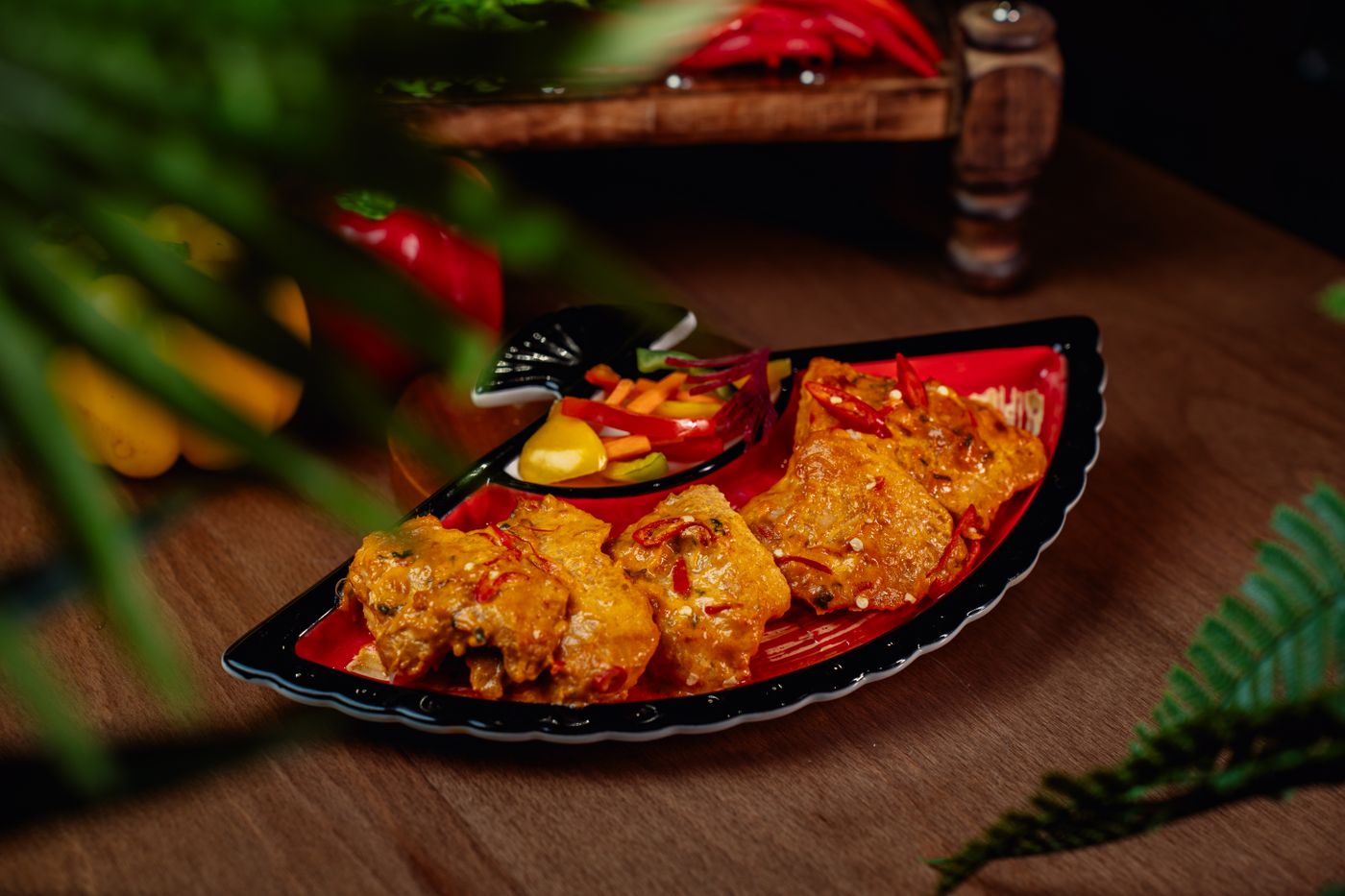
Chicken thighs browned hard in butter, then finished in a quick pan sauce of dijon, lemon and stock that clings to every piece by the time the pan is empty.
For 4 servings.
No reviews yet
Cooked this? Be the first to tell everyone how it went.
Sign in to rate and review this recipe.
Sign in to suggest corrections and improvements.
Community posts are opinions, not professional advice. Community guidelines
Videos belong to their creators and play on their platform’s terms — Cibora never re-hosts third-party video.
Buy these ingredients
Links open each store’s own site, where you see their live local prices. Our cost figures in the app are estimates only.
Pat the chicken thighs dry and season both sides with salt and pepper.
Warm the olive oil in a large skillet over medium-high heat and lay the thighs in without crowding. Sear undisturbed until deep golden, about 6 minutes.
💡 Don't move them early — a proper sear releases the meat from the pan on its own.
Flip and cook the second side until browned and just cooked through, about 5 minutes more, then transfer to a plate.
Lower the heat, melt the butter in the same pan, and add the garlic and thyme, stirring until fragrant, about 30 seconds.
Whisk in the dijon mustard, lemon zest and juice, and the chicken stock, scraping up the browned bits from the bottom of the pan.
Simmer the sauce until slightly thickened, about 4 minutes, then return the chicken and any collected juices to the pan.
Spoon the sauce over the thighs, warm through for a minute, and serve straight from the pan.
Mustard-and-butter pan sauces are a Burgundian habit, born from a region that produces both ingredients in quantity and reaches for them before cream or wine. Cooks favor this technique on thighs specifically because the extra fat in the meat keeps a fast pan sauce from breaking over high heat.
No suggestions yet. Spotted a wrong quantity, a missing step, or a better technique? Suggest it — accepted changes join the recipe’s version history.
Sign in to join the discussion. Reading is open to everyone.
Nothing here yet — questions about technique, timing, and substitutions all welcome.