🇺🇸 United StatesCatalog recipe · The South
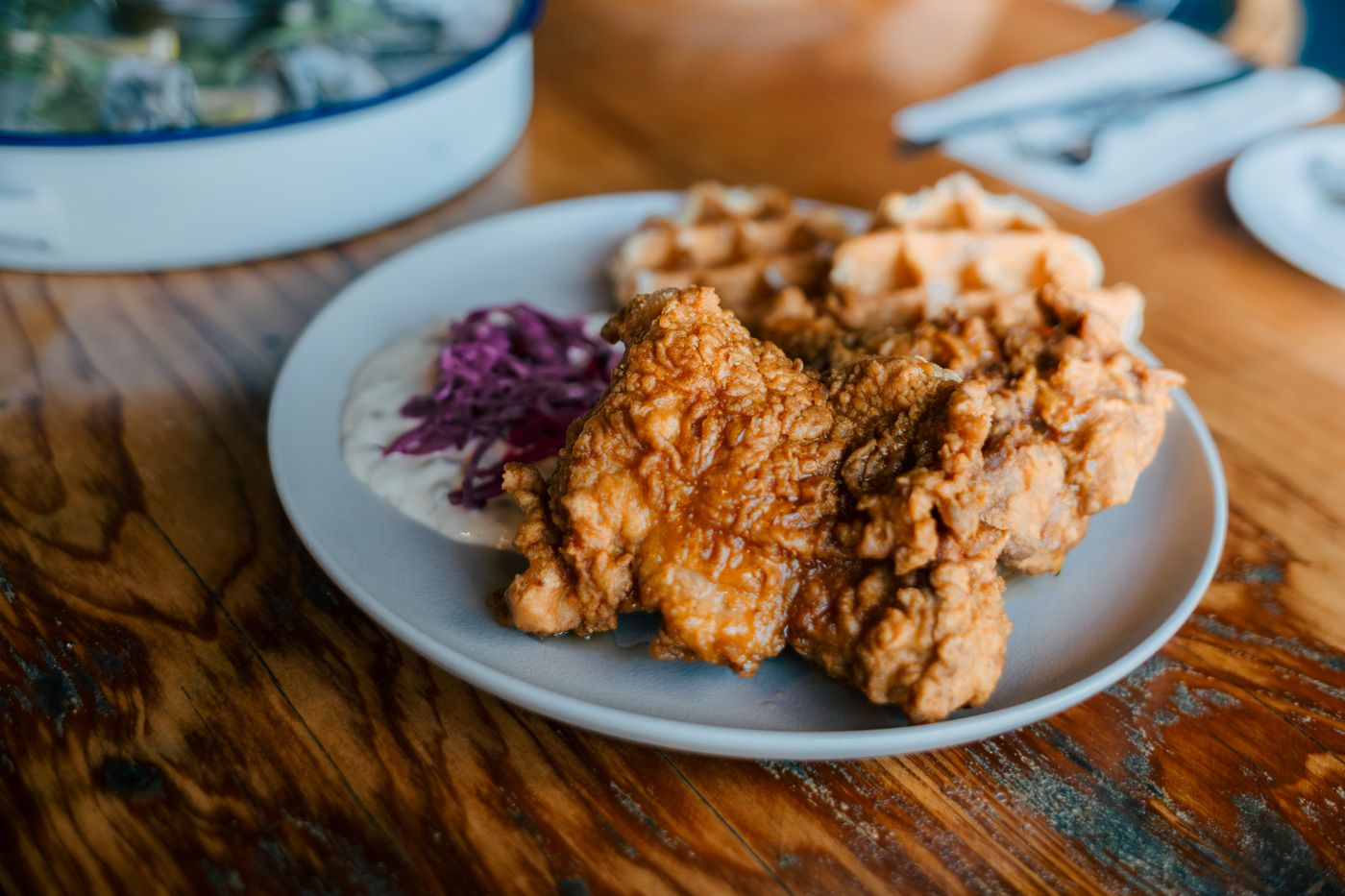
Buttermilk-brined chicken in a shatteringly crisp, paprika-spiked crust — the centerpiece of the Southern table.
For 4 servings.
Buy these ingredients
Links open each store’s own site, where you see their live local prices. Our cost figures in the app are estimates only.
No reviews yet
Cooked this? Be the first to tell everyone how it went.
Sign in to rate and review this recipe.
Sign in to suggest corrections and improvements.
Community posts are opinions, not professional advice. Community guidelines
Videos belong to their creators and play on their platform’s terms — Cibora never re-hosts third-party video.
Stir half the salt and a pinch of cayenne into the buttermilk, submerge the chicken and refrigerate at least 2 hours, ideally overnight.
💡 The buttermilk brine seasons the meat to the bone and keeps it juicy through frying.
Whisk the flour, cornstarch, paprika, garlic powder, remaining cayenne, salt and pepper in a wide bowl.
Drizzle a few spoonfuls of buttermilk into the flour and rub it through with your fingers to make craggy little clumps.
💡 Those clumps become the extra-crunchy shards on the finished crust.
Lift the chicken from the brine, dredge each piece firmly in the seasoned flour, and rest on a rack for 10 minutes so the coating sets.
Heat the oil to 165°C in a deep, heavy pot — no more than half full.
Fry in two batches, turning occasionally, until deep golden and 74°C at the bone, 14–16 minutes per batch.
Drain on a wire rack, never paper towels, and rest 5 minutes before serving so the crust stays crisp.
Fried chicken as America knows it was perfected in the kitchens of the South, above all by Black cooks who married Scottish frying technique with West African seasoning traditions. It was Sunday-dinner food, celebration food, and the making of countless roadside restaurants.
No suggestions yet. Spotted a wrong quantity, a missing step, or a better technique? Suggest it — accepted changes join the recipe’s version history.
Sign in to join the discussion. Reading is open to everyone.
Nothing here yet — questions about technique, timing, and substitutions all welcome.