🇨🇴 ColombiaCatalog recipe · Caribbean Coast
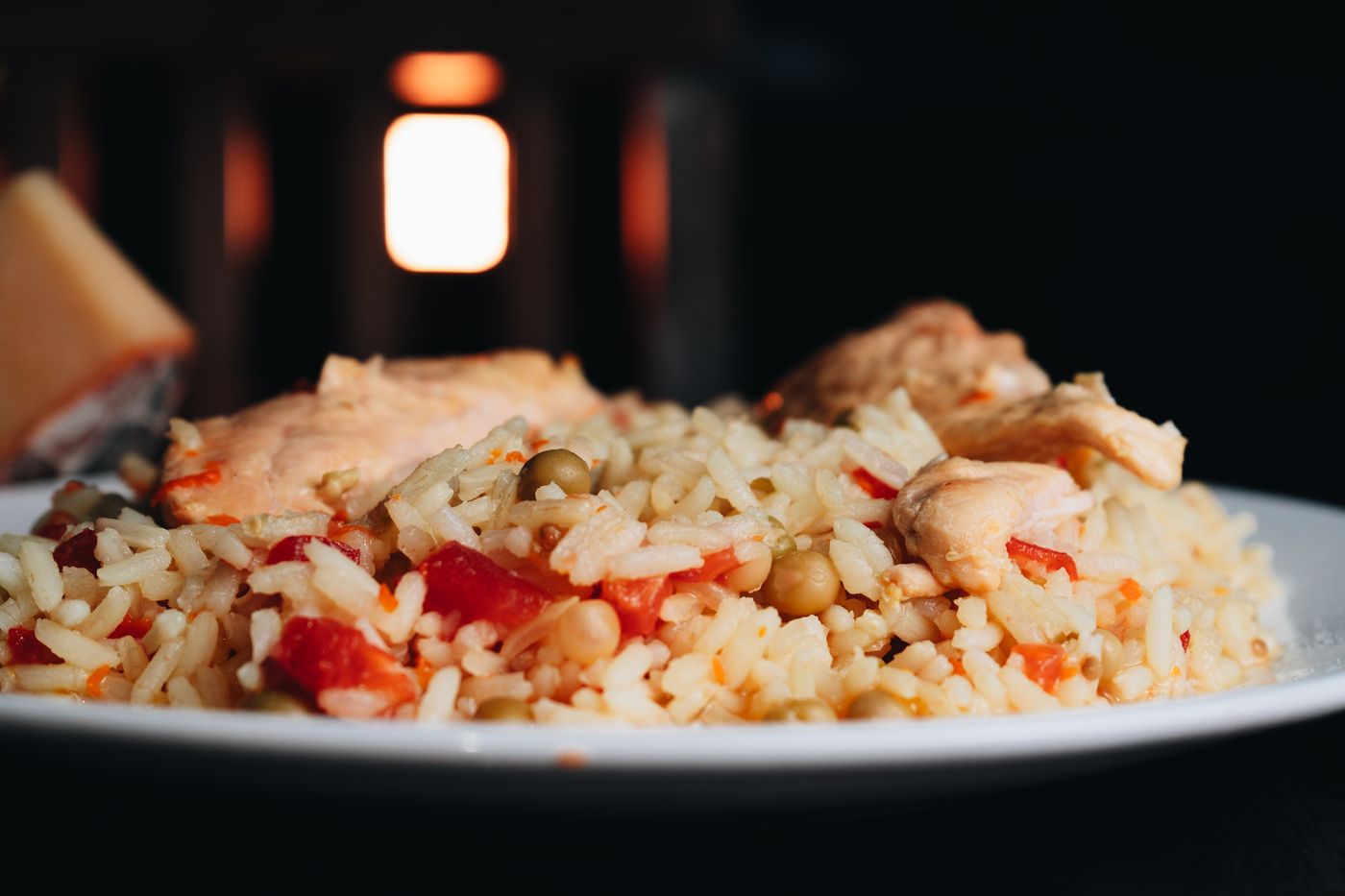
Caribbean-coast rice cooked in coconut milk until sweet-savory with caramelized coconut bits — the beach's answer to plain rice.
How hard is it
Nothing to juggle — one thing at a time. Only 4 things to buy.
Caramelising — the line between golden and burnt is short.
For 6 servings.
No reviews yet
Cooked this? Be the first to tell everyone how it went.
Sign in to rate and review this recipe.
Sign in to suggest corrections and improvements.
Community posts are opinions, not professional advice. Community guidelines
Videos belong to their creators and play on their platform’s terms — Cibora never re-hosts third-party video.
Buy these ingredients
Links open each store’s own site, where you see their live local prices. Our cost figures in the app are estimates only.
Pour the coconut milk into a heavy pot and boil it down HARD, uncovered and stirring occasionally, until it splits and its solids brown into titoté — about 20 patient minutes.
💡 This step looks wrong (curdled, oily, browning) right up until it is perfectly right. Keep the heat up and trust it.
Stir in the brown sugar and let it caramelize slightly into the titoté, then add the rice and fry it for a minute or two, stirring, until every grain is coated and glossy.
Pour in enough water to cover the rice by about 2cm, add salt and the raisins if using, and bring to a boil.
Cover, reduce the heat to low, and cook 18 minutes without lifting the lid.
Take the pot off the heat and let it rest, still covered, for 10 minutes so the rice finishes steaming.
💡 Resist stirring or peeking — the trapped steam is what finishes the grains.
Fluff with a fork and serve alongside fried fish and patacones, sand optional.
Cartagena's fried-fish lunches lean on this contradictory marvel: rice both sweet and salty, dark with reduced coconut caramel called titoté.
No suggestions yet. Spotted a wrong quantity, a missing step, or a better technique? Suggest it — accepted changes join the recipe’s version history.
Sign in to join the discussion. Reading is open to everyone.
Nothing here yet — questions about technique, timing, and substitutions all welcome.