π¨π³ ChinaCatalog recipe
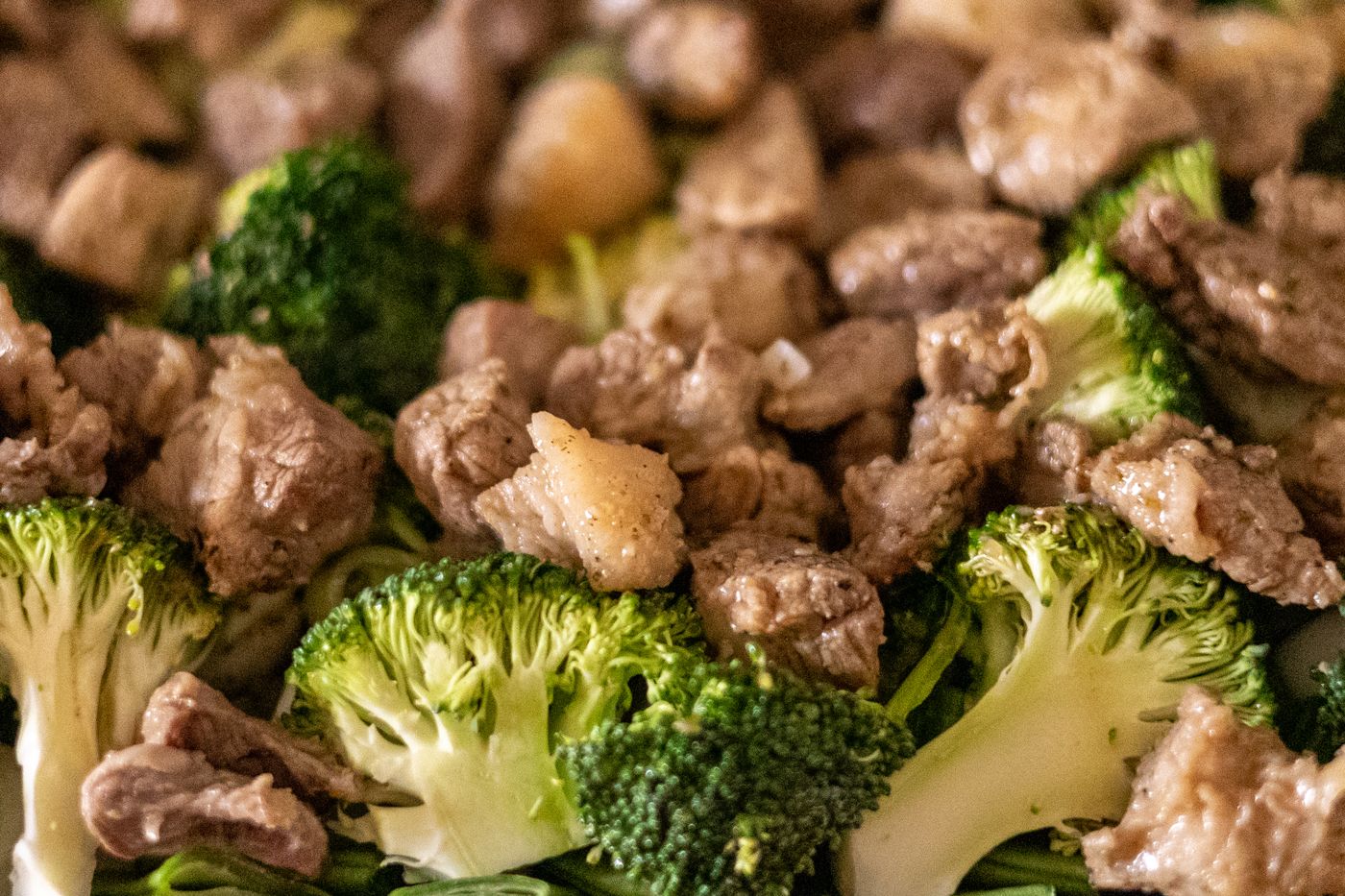
Thin-sliced beef seared hard and glazed dark in soy and oyster sauce, tossed through broccoli that still has bite β a steakhouse-fast dinner out of one hot wok.
For 4 servings.
No reviews yet
Cooked this? Be the first to tell everyone how it went.
Sign in to rate and review this recipe.
Sign in to suggest corrections and improvements.
Community posts are opinions, not professional advice. Community guidelines
Videos belong to their creators and play on their platformβs terms β Cibora never re-hosts third-party video.
Buy these ingredients
Links open each storeβs own site, where you see their live local prices. Our cost figures in the app are estimates only.
Toss the sliced beef with 1 tablespoon of the soy sauce and 1 teaspoon of the cornstarch and let it sit while you prep everything else.
π‘ Even ten minutes of marinating keeps the beef tender through the high heat that follows.
Drop the broccoli into boiling water for 90 seconds until bright green, then drain well.
π‘ Pull it the moment it turns vivid β it finishes cooking in the wok.
Stir the remaining soy sauce, oyster sauce, brown sugar, stock and remaining cornstarch together β this is the entire sauce, ready to pour.
Heat half the oil in a wok until just smoking, lay the beef in one layer and sear undisturbed 1 minute, then stir until browned but not fully cooked through. Remove to a plate.
Add the remaining oil, then the garlic and ginger, and stir 20 seconds until fragrant.
Add the drained broccoli, toss 1 minute, then return the beef to the wok.
Pour in the sauce and toss everything over high heat until it turns glossy and clings to the beef and broccoli, about 1 minute. Serve immediately over rice.
Beef and broccoli took shape in Cantonese-run restaurant kitchens in North America during the mid-1900s, where cooks needed a dish that moved fast during the dinner rush and used a vegetable customers already recognized. Broccoli was never grown in China at scale; it earned its place because its stalks held color and crunch under the same fierce heat used for gai lan and choy sum back home. The combination crossed over into home kitchens as a reliable answer to a hungry weeknight, and it remains a fixture on Chinese-American menus today.
No suggestions yet. Spotted a wrong quantity, a missing step, or a better technique? Suggest it β accepted changes join the recipeβs version history.
Sign in to join the discussion. Reading is open to everyone.
Nothing here yet β questions about technique, timing, and substitutions all welcome.