π―π΅ JapanCatalog recipe
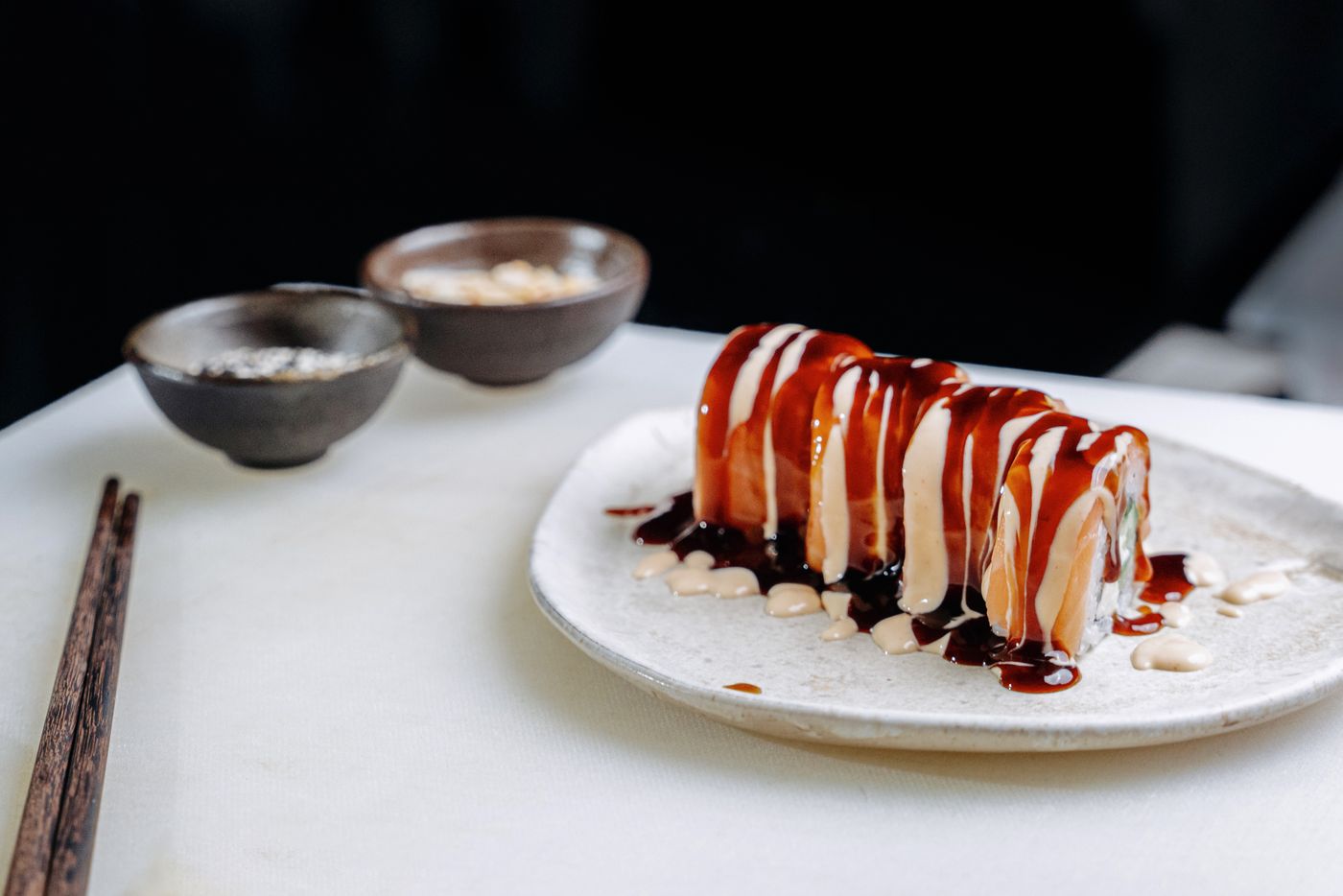
Salmon seared skin-crisp then swirled through a fast soy-mirin glaze that clings glossy to every bite, ready before the rice finishes steaming.
For 4 servings.
No reviews yet
Cooked this? Be the first to tell everyone how it went.
Sign in to rate and review this recipe.
Sign in to suggest corrections and improvements.
Community posts are opinions, not professional advice. Community guidelines
Videos belong to their creators and play on their platformβs terms β Cibora never re-hosts third-party video.
Buy these ingredients
Links open each storeβs own site, where you see their live local prices. Our cost figures in the app are estimates only.
Stir the soy sauce, mirin, sake, sugar and ginger together until the sugar dissolves β this is the tare.
Pat the salmon dry. Heat the oil in a nonstick skillet over medium-high and lay the fillets skin-side down. Cook undisturbed until the skin crisps, about 4 minutes.
π‘ Leave it alone β the skin releases itself from the pan once it's actually crisp.
Flip and cook the flesh side 2 minutes.
Pour in the tare, lower the heat to medium, and spoon the sauce over the fillets as it bubbles and thickens into a glaze, about 3 minutes.
π‘ Watch it closely near the end β once the sugar concentrates it can scorch in seconds.
Pull the pan off the heat once the glaze coats the back of a spoon and the salmon flakes easily.
Plate over rice, spoon the extra glaze on top, and scatter with sesame seeds and spring onion.
Teriyaki names a technique, not a fixed sauce β teri for the lacquered shine, yaki for the grilling β and Japanese cooks have glazed fish this way for generations. Salmon in particular took to it well once farmed fillets made the fish an everyday grocery item, and it now appears on nearly every teishoku (set-meal) menu in the country. In Japan the glaze stays plain: soy, mirin, sugar, nothing more.
No suggestions yet. Spotted a wrong quantity, a missing step, or a better technique? Suggest it β accepted changes join the recipeβs version history.
Sign in to join the discussion. Reading is open to everyone.
Nothing here yet β questions about technique, timing, and substitutions all welcome.